




Products
Trending searches
Popular collections
Popular products
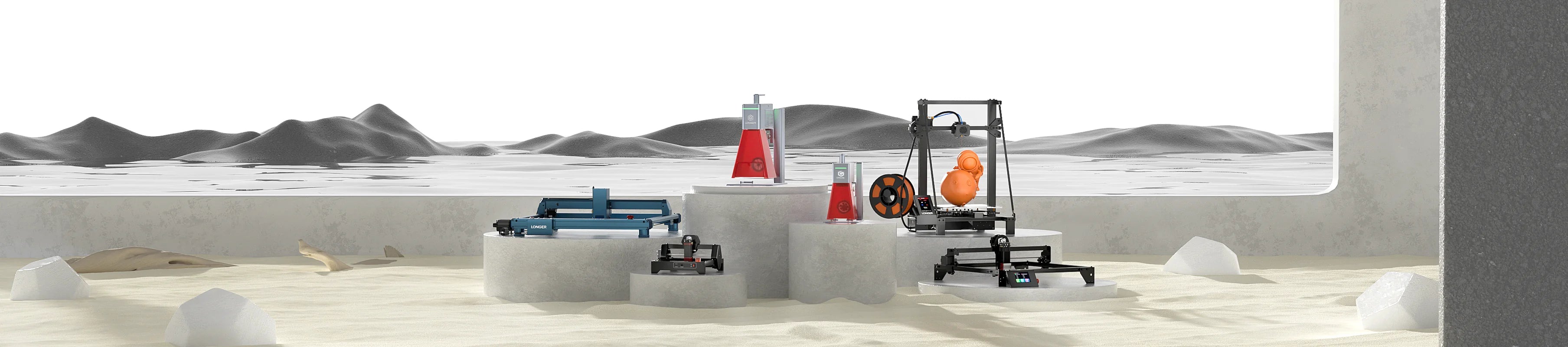
Ray5 Series — Offline Engraving Using TF Card
Offline engraving on the Ray5 Series allows you to operate your laser projects directly from a TF card without connecting to a computer. This tutorial walks you through preparing GCode files, confirming engraving boundaries, and executing offline engraving for both old and new Ray5 models.
Table of Contents
- What This Guide Covers
- Quick Answer: How to Use TF Card for Offline Engraving
- Why This Process Matters
- Before You Start
- Requirements
- Precautions
- Step-by-Step Tutorial
- Model Version Differences
- Common Problems and Solutions
- Tips for Better Results
- Frequently Asked Questions
- Final Thoughts
What This Guide Covers
This guide provides a comprehensive walkthrough for performing offline engraving on Ray5 Series laser engravers. You will learn:
- How to prepare GCode files for offline use
- How to load and run engraving directly from a TF card
- Differences between old and new Ray5 models
- Tips for avoiding common errors and ensuring precise engraving
Quick Answer: How to Use TF Card for Offline Engraving
To perform offline engraving on the Ray5 Series:
- Save your design as a GCode file (
.gcor.nc) onto a TF card. - Insert the TF card into the Ray5 control box.
- Access the file list via the File menu and select your design.
- Verify the engraving boundary using Frame mode.
- Start engraving and monitor the process.
Why This Process Matters
Offline engraving offers several advantages:
- Reduces dependence on a connected computer
- Avoids connectivity issues with USB or Wi-Fi
- Supports multiple projects simultaneously
- Provides consistent, repeatable results for professional-quality work
This method is ideal for both hobbyists and small businesses seeking efficient workflows.
Before You Start
Requirements
- Ray5 Series laser engraver (old or new version)
- TF card compatible with your machine
- Engraving file in GCode format (
.gcor.nc) - Safety equipment: laser safety glasses and proper ventilation
Precautions
- Only use TF cards recommended by the manufacturer
- Do not remove the TF card during engraving
- Confirm the machine’s working area before starting
- Keep fingers and other objects away from the laser head during operation
- Follow official machine specifications or instructions
Step-by-Step Tutorial
Step 1: Prepare Engraving File
Action: Save the engraving file in GCode format (.gc or .nc) to the TF card. Users can design patterns using LightBurn and export the GCode file directly to the TF card.
Expected Result: The TF card contains a ready-to-use engraving file.
Important Notes: Ensure the design dimensions fit the material and the machine’s working area.

Step 2: Start Offline Engraving
Action: Insert the TF card into the Ray5 control box and press File to access the TF card file list. Select the imported GCode file.
Expected Result: The file loads on the machine, ready for engraving.
Action: Enter the engraving preparation interface and click Frame to verify the engraving boundary.
Expected Result: The machine outlines the engraving area, confirming placement and size.
Action: After confirming the working area, press Start Engraving to begin the process.
Expected Result: The Ray5 laser engraves the selected design offline.
Important Notes: Interface layouts differ between old and new Ray5 models. Ensure you are following instructions corresponding to your version.
Model Version Differences
- Old Version Ray5: No air pump interface above the touchscreen


- New Version Ray5: Air pump interface located above the touchscreen

Understanding these differences helps ensure you navigate the interface correctly and avoid misconfigurations.
Common Problems and Solutions
| Problem | Possible Cause | Solution |
|---|---|---|
| TF card not detected | Card not formatted correctly | Reformat TF card per Ray5 specifications |
| Engraving does not start | Incorrect file selection | Verify the .gc or .nc file is on the card and selected |
| Design misaligned | Frame not checked or offsets incorrect | Use Frame mode to confirm working area before starting |
| Laser does not fire | Safety cover or switch triggered | Close all covers and ensure safety mechanisms are engaged |
| Smoke or residue on material | Power too high or speed too low | Adjust settings according to material specifications |
Tips for Better Results
- Always use clean, properly formatted TF cards
- Secure material flat on the work area to prevent shifting
- Test engravings on scrap material before finalizing
- Keep lenses, mirrors, and the workspace clean
- Use adequate ventilation to minimize smoke residue
Frequently Asked Questions
Q1: Can I use any TF card with Ray5 Series?
A: Only use cards recommended by the manufacturer to prevent errors or device damage.
Q2: Do old and new Ray5 models operate the same offline?
A: Core steps are identical, but interface layouts and air pump placement differ.
Q3: What GCode formats are supported?
A: .gc and .nc files are supported for offline engraving.
Q4: How do I ensure the engraving fits the material?
A: Use Frame mode to preview the boundary before starting.
Q5: Can I pause offline engraving?
A: Yes, but never remove the TF card during operation.
Q6: Why is my TF card not recognized?
A: Ensure it is formatted correctly and compatible with the Ray5 Series.
Q7: Can I edit files on the machine?
A: Follow official machine specifications or instructions—editing on the device is not supported.
Final Thoughts
The Ray5 Series supports reliable offline engraving using a TF card. Properly preparing GCode files, verifying the engraving boundary, and understanding model differences ensures stable, professional-quality results. This method allows you to operate efficiently, minimize errors, and achieve consistent outcomes, making it ideal for hobbyists and small-scale production.
Video Tutorial
- Le choix d'une sélection entraîne une actualisation complète de la page.


!