




Products
Trending searches
Decoding the differences:portable vs desktop laser engraving machines
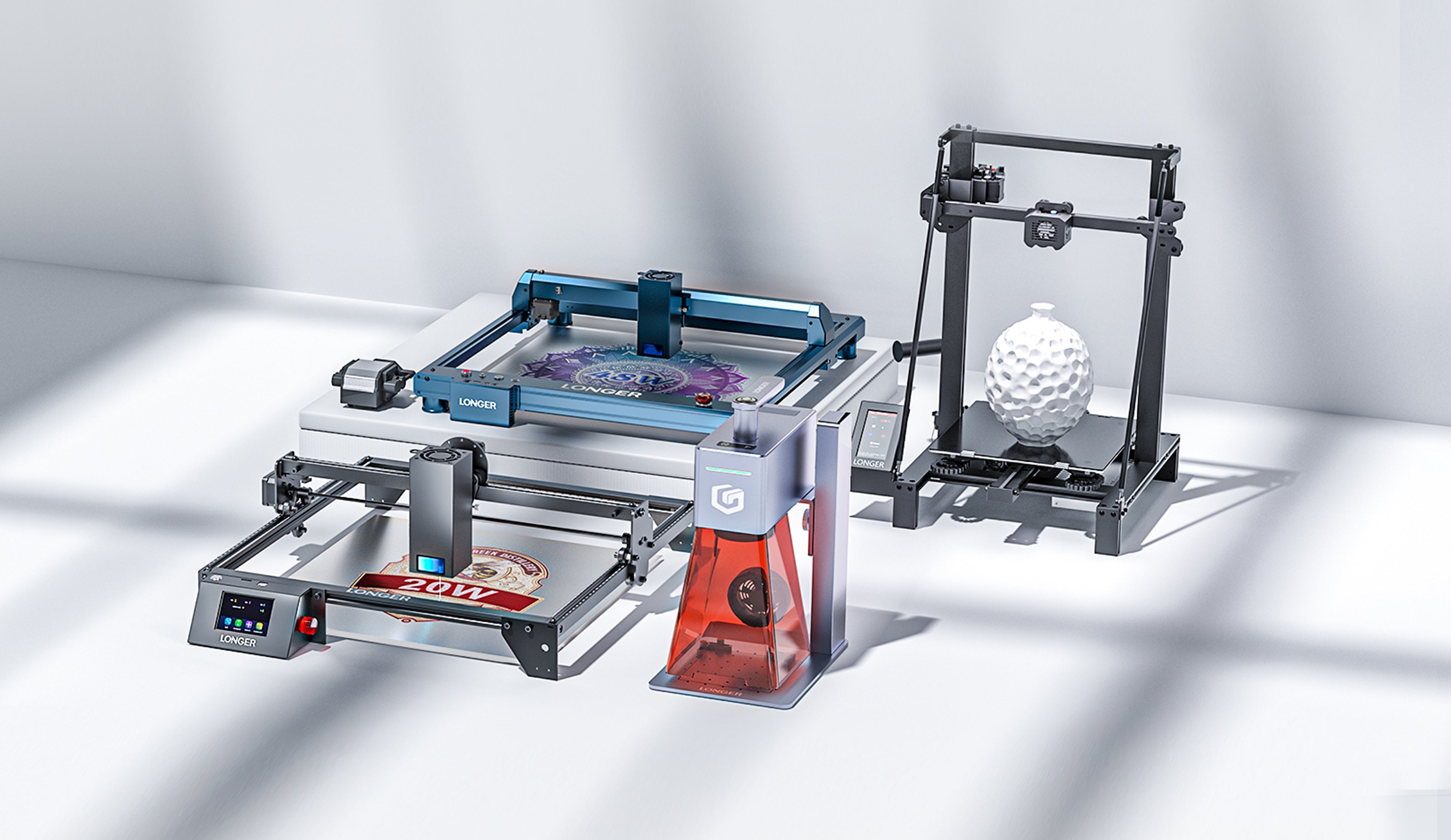
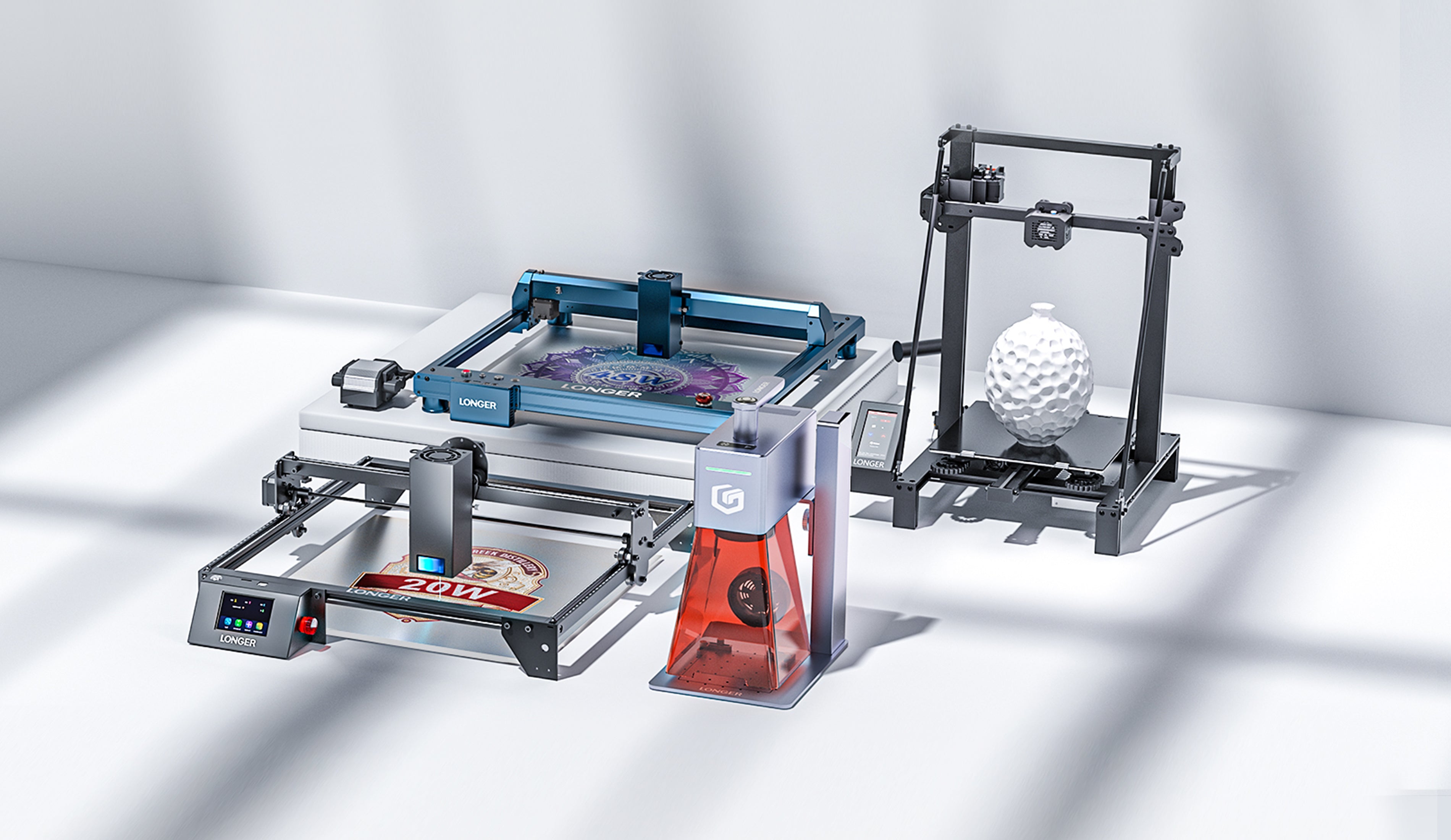
Driven by rapid advancements in modern manufacturing technology, laser engraving has evolved from an industrial-grade process into a widely accessible tool for creators, small businesses, and DIY enthusiasts. Today, it is commonly used in product customization, craft production, signage making, and personalized design work.
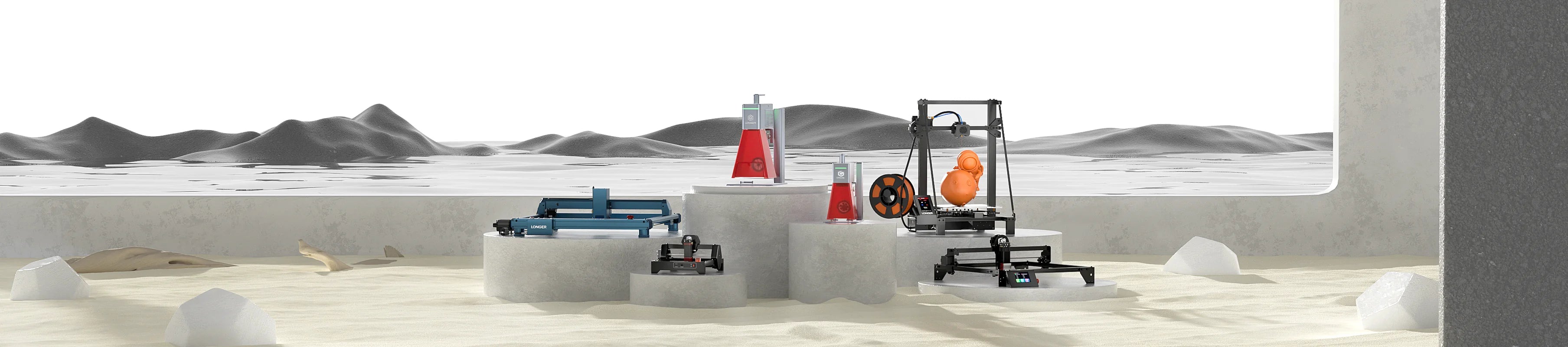
As the market continues to expand, laser engraving machines have broadly developed into two main categories: portable laser engraving machines and desktop laser engraving machines. While both rely on similar laser technology, they differ significantly in structure, performance, and application scenarios. Understanding these differences is essential for selecting the right equipment for your needs.
Overview of Portable Laser Engraving Machines
Portable laser engraving machines are designed with compactness and mobility in mind. Their lightweight structure allows users to easily transport and operate them in different locations, making them ideal for flexible working environments.
Key Characteristics:
- Compact and lightweight design
- Easy to transport and set up
- Suitable for small-scale or on-site projects
- Typically lower power output compared to desktop models
Typical Applications:
Portable machines are commonly used for:
- Personalized engraving on small items
- Field work or mobile services
- DIY crafting and hobby projects
- Small business customization services
Due to their portability, these machines prioritize convenience over heavy-duty industrial performance.

Overview of Desktop Laser Engraving Machines
Desktop laser engraving machines are larger, more stable systems designed for precision, power, and continuous operation. They are commonly used in workshops, studios, and production environments where higher performance is required.
Key Characteristics:
- Larger working area
- Higher laser power and cutting capability
- Greater stability during operation
- Suitable for long-duration or batch processing tasks
Typical Applications:
Desktop machines are widely used for:
- Wood, acrylic, and metal engraving
- Commercial production and batch manufacturing
- High-precision design work
- Complex and large-format projects
These machines are designed for users who require higher efficiency, consistency, and material versatility.

Key Differences Between Portable and Desktop Models
Although both types use laser technology, their differences are clear in several key areas:
Size and Mobility
- Portable: Easy to carry, flexible usage locations
- Desktop: Fixed installation, requires dedicated workspace
Power and Performance
- Portable: Lower power, suitable for light-duty tasks
- Desktop: Higher power, capable of cutting and deep engraving
Precision and Stability
- Portable: Good for simple engraving tasks
- Desktop: Higher stability and precision for complex work
Application Scope
- Portable: Personal use, small-scale customization
- Desktop: Industrial use, business production, advanced crafting
How to Choose the Right Machine
Selecting between portable and desktop laser engraving machines depends on your specific needs:
- If you prioritize flexibility, mobility, and simple projects, a portable machine is more suitable.
- If you require higher power, precision, and production efficiency, a desktop machine is the better choice.
Understanding your workflow, material types, and production goals will help ensure the right investment.
Conclusion
Portable and desktop laser engraving machines each play an important role in the expanding world of laser technology. Portable models bring accessibility and convenience to individual creators, while desktop systems deliver the power and precision required for professional and industrial applications.
As laser engraving continues to develop, users now have more options than ever to match their creative and business needs. Choosing the right type of machine ultimately depends on balancing mobility, performance, and intended application.
- 选择一个选项会导致整个页面刷新。


!