




Products
Trending searches
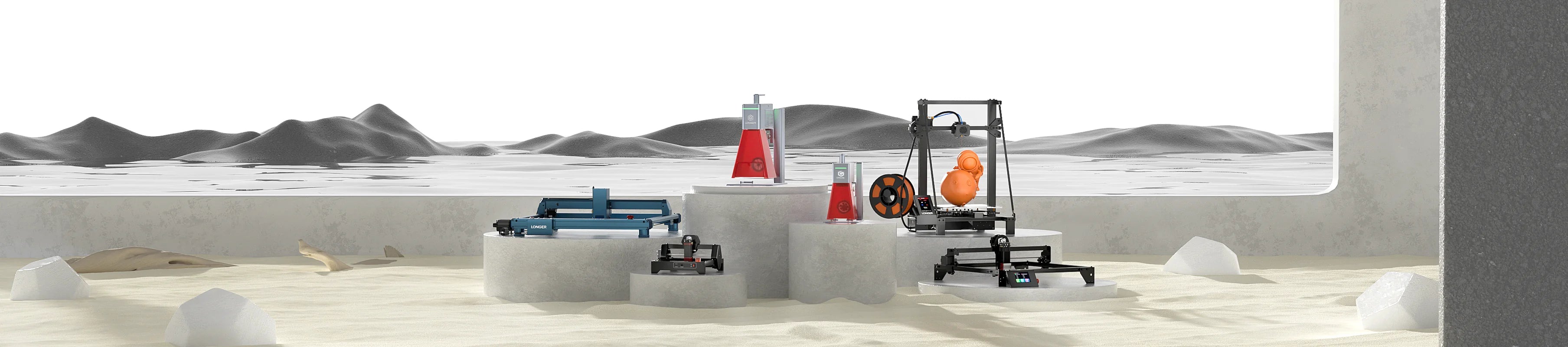
Mastering Precision: Essential Tips for Laser Cutting Success
Proper calibration and setup are critical to achieving high-quality results in laser cutting and engraving. Whether you are working with wood, acrylic, fabric, or metal, following correct operating practices ensures accuracy, efficiency, and consistency.
1. Proper Calibration
Accurate calibration is the foundation of successful laser cutting.
This includes:
- Fine-tuning the cutting bed level
- Ensuring precise laser beam alignment
- Verifying correct focal distance and positioning
Consistent calibration throughout operation helps maintain stable cutting accuracy and prevents quality issues.
With LONGER laser machines, precise calibration ensures smooth material processing and clean, professional-grade results. The fixed-focus system also helps maintain consistent cutting depth, reducing the need for frequent manual adjustments.
2. Material Selection Matters
Different materials respond differently to laser energy, making material selection a key factor in performance.
Important factors include:
- Thickness
- Density
- Surface reflectivity
For example:
- Delicate materials like paper or fabric require lower power settings to avoid burning or scorching
- Dense materials such as wood or acrylic require higher power and slower speeds for clean cuts
LONGER laser machines provide flexible settings that allow users to adapt easily to different material types.
3. Always Perform Test Cuts
Before starting complex or final projects, test cuts are essential.
Test cutting helps you:
- Adjust power and speed settings
- Verify focus accuracy
- Avoid material waste or damage
For instance:
- When engraving fine details on metal with the RAY5 20W, test cuts help prevent discoloration or overheating
- When cutting thick materials like basswood or acrylic with the Laser B1 series, trial runs ensure clean edges and consistent performance
4. Ensure Proper Ventilation
Laser cutting produces smoke, dust, and fumes that may be harmful if not properly managed.
Always:
- Work in a well-ventilated environment
- Use an exhaust system or air filtration setup
This protects both the operator’s health and machine performance.
5. Secure Material Placement
To ensure accuracy during operation, materials must be firmly fixed in place.
Recommended methods include:
- Clamps
- Double-sided adhesive
- Custom fixtures
Proper fixation prevents movement, vibration, or misalignment during cutting.
6. Optimize Cutting Parameters
Fine-tuning settings is essential for achieving optimal results.
Adjust:
- Power
- Speed
- Frequency
Balancing these parameters helps reduce:
- Burning
- Melting
- Edge charring
Experimentation is key to finding the best combination for each material.
7. Maintain the Laser Lens
Regular lens maintenance is critical for consistent performance.
Dust or residue buildup can:
- Reduce cutting accuracy
- Weaken laser power
- Affect beam quality
Always clean the lens using manufacturer-recommended methods and replace it when necessary.
8. Use Assistive Technologies
Modern laser systems may include:
- Camera alignment systems
- Real-time monitoring tools
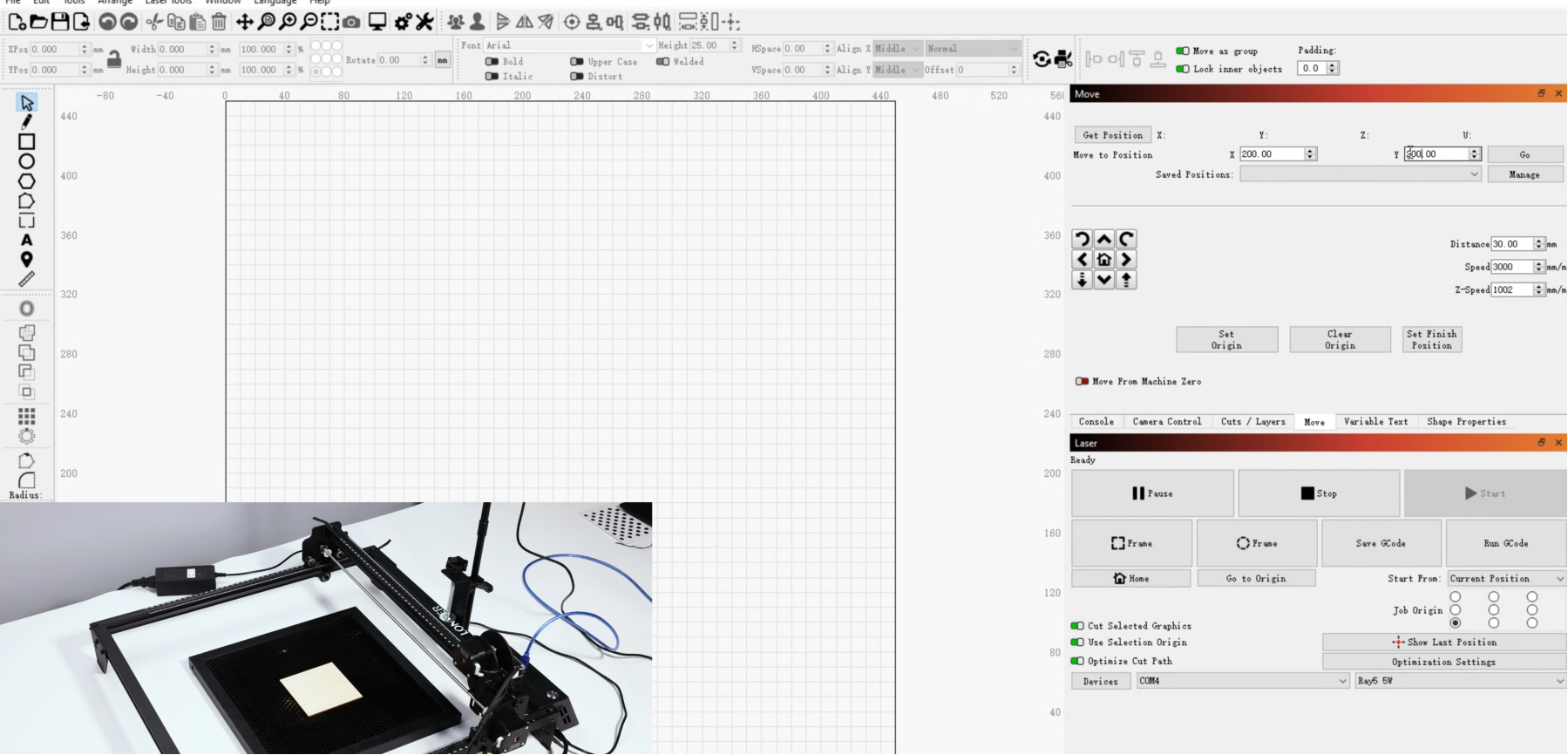
- Smart positioning software
These features improve precision and efficiency, especially for complex or detailed designs.
Conclusion
By following proper calibration, material selection, testing, and maintenance practices, users can achieve highly precise and efficient laser cutting results.
With LONGER laser engraving machines—developed through years of innovation in laser technology—you are equipped with reliable tools designed to enhance creativity, accuracy, and productivity across a wide range of materials and applications.
- Choosing a selection results in a full page refresh.


!