Father's Day is one of the best seasonal opportunities for laser engraving businesses. Every year, millions of shoppers search for personalized gifts that feel meaningful and unique. Unlike generic store-bought presents, custom laser engraved products allow customers to celebrate family memories, hobbies, and personal relationships.
For makers, Etsy sellers, and small business owners, this creates an excellent opportunity to generate sales with relatively low material costs and high profit margins. Whether you're working with wood, leather, acrylic, slate, or metal, a laser engraver can help you turn simple materials into premium Father's Day gifts.
Here are 10 profitable Father's Day products you can make and sell with Longer laser engraver.
1. Personalized Wooden Family Photo Plaques
Family photo plaques remain one of the most emotional and best-selling Father's Day gifts.
To create one, import a high-resolution family photo into LightBurn, convert it to grayscale, and engrave it onto basswood or plywood. Adding a custom message such as "Best Dad Ever" or children's names instantly increases the product's value.
Because every order is personalized, customers are often willing to pay significantly more than the material cost.
Material Cost: $12–20 per plaque
Typical Etsy Selling Price: $50–100 per plaque
Potential Profit: $40–70 per order
Estimated Daily Output: 8–15 /day

2. Engraved Leather Wallets
A leather wallet is a timeless Father's Day gift, but personalization makes it unforgettable.
Using a laser engraver, you can engrave a child's handwritten note, family signature, important date, or hidden message inside the wallet. Many customers love the idea of carrying a meaningful memory every day.
Leather engraving requires precision rather than high cutting power, making it an excellent project for beginners entering the personalization market.
Material Cost: $15–25 per wallet
Typical Etsy Selling Price: $45–80 per wallet
Potential Profit: $20–50 per order
Estimated Daily Output: 10–20 /day

3. Personalized BBQ Tool Sets
For dads who love grilling, personalized BBQ tool sets are a perfect Father's Day gift.
Wooden-handled spatulas, tongs, and grill forks can be engraved with phrases such as:
-
King of the Grill
-
Dad's BBQ Zone
-
Grill Master Since 2025
Simply create a vector design, position it on the wooden handle, and engrave directly onto the surface.
These products are highly giftable and work well as bundled packages.
Material Cost: $12–20 per set
Typical Etsy Selling Price: $40–70 per set
Potential Profit: $20–50 per order
Estimated Daily Output: 10–20 /day

4. Acrylic LED Night Lights
Acrylic LED night lights combine personalization with modern home décor.
Start by designing a Father's Day graphic or family-themed illustration. Engrave the design onto clear acrylic and insert it into an LED light base. Once illuminated, the engraved lines create a stunning glowing effect.
This type of product photographs extremely well, making it ideal for Etsy and Shopify stores.
Material Cost: $10–18 per unit
Typical Etsy Selling Price: $45–80 per unit
Potential Profit: $25–50 per order
Estimated Daily Output: 8–15 /day

5. Personalized Leather Keychains
Leather keychains are simple to produce, inexpensive to ship, and highly customizable.
Customers can add initials, names, family dates, children's handwriting, or short messages. Since the material cost is low, keychains often deliver some of the highest profit margins among laser engraving products.
They are also excellent upsell items when bundled with wallets or other leather gifts.
Material Cost: $2–5 per keychain
Typical Etsy Selling Price: $12–25 per keychain
Potential Profit: $8–20 per order
Estimated Daily Output: 40–80 /day

6. Engraved Pocket Knives
Pocket knives are one of the most popular Father's Day gifts because they combine practicality with sentiment.
Using laser engraving, you can personalize the handle or blade with initials, family names, company logos, or meaningful quotes.
Many customers purchase engraved pocket knives as keepsakes that fathers can use every day. Personalized EDC (Everyday Carry) products also have strong year-round demand beyond Father's Day.
For experienced makers looking to expand into premium gift products, engraved pocket knives offer excellent profit potential.
Material Cost: $15–25 per knife
Typical Etsy Selling Price: $40–70 per knife
Potential Profit: $25–50 per order
Estimated Daily Output: 10–20 /day

7. Engraved Ceramic Coffee Mugs
Coffee mugs continue to be one of the world's most popular gift categories.
By adding personalized Father's Day designs, family photos, or funny quotes, you can transform a simple mug into a memorable gift.
Customers often purchase mugs as affordable personalized presents, making them ideal for high-volume seasonal sales.
Material Cost: $5–10 per mug
Typical Etsy Selling Price: $20–50 per mug
Potential Profit: $15–30 per order
Estimated Daily Output: 15–30 /day

8. Slate or Marble Coaster Sets
Slate and marble coasters have a premium appearance that immediately attracts gift buyers.
Laser engraving works beautifully on slate, creating sharp contrast and elegant details. Popular designs include:
-
Family names
-
Monograms
-
Dad-themed jokes
-
Sports-themed graphics
Coaster sets are especially attractive because they can be sold as four-piece or six-piece bundles, increasing average order value.
Material Cost: $6–12 per set
Typical Etsy Selling Price: $25–45 per set
Potential Profit: $15–30 per order
Estimated Daily Output: 15–30 /day

9. Personalized Tool Organizer Panels
For DIY enthusiasts and workshop owners, custom tool organizer panels offer both function and personalization.
Using plywood or hardwood, you can cut tool outlines and engrave names, logos, or workshop branding. Many customers appreciate gifts that help organize their workspace while adding a personal touch.
Because these products are larger and more functional, they often command higher selling prices.
Material Cost: $20–35 per panel
Typical Etsy Selling Price: $60–120 per panel
Potential Profit: $60–100 per order
Estimated Daily Output: 4-8 /day

10. Layered Wooden Wall Art
Layered wooden artwork represents one of the highest-value products you can create with a laser engraver.
By combining multiple laser-cut layers, you can create detailed silhouettes of fathers and children, meaningful family scenes, or inspirational Father's Day quotes.
The dimensional effect gives the artwork a premium handcrafted appearance that customers love.
This type of product is ideal for makers looking to sell higher-ticket customized gifts.
Material Cost: $15–50 per piece
Typical Etsy Selling Price: $80–180+ per piece
Potential Profit: $80–120+ per order
Estimated Daily Output: 3–8 /day

Why Father's Day Is a Great Opportunity for a Laser Engraving Business
Personalized gifts consistently outperform generic products because they create emotional value. Customers are not simply buying a product—they are purchasing a memory, a story, or a meaningful connection.
With a laser engraver, you can offer:
-
One-of-a-kind custom products
-
Fast production times
-
High profit margins
-
Low inventory requirements
-
Seasonal and year-round sales opportunities
Whether you're launching an Etsy shop, building a Shopify store, or starting a local customization business, Father's Day products provide an excellent way to attract customers and grow revenue.
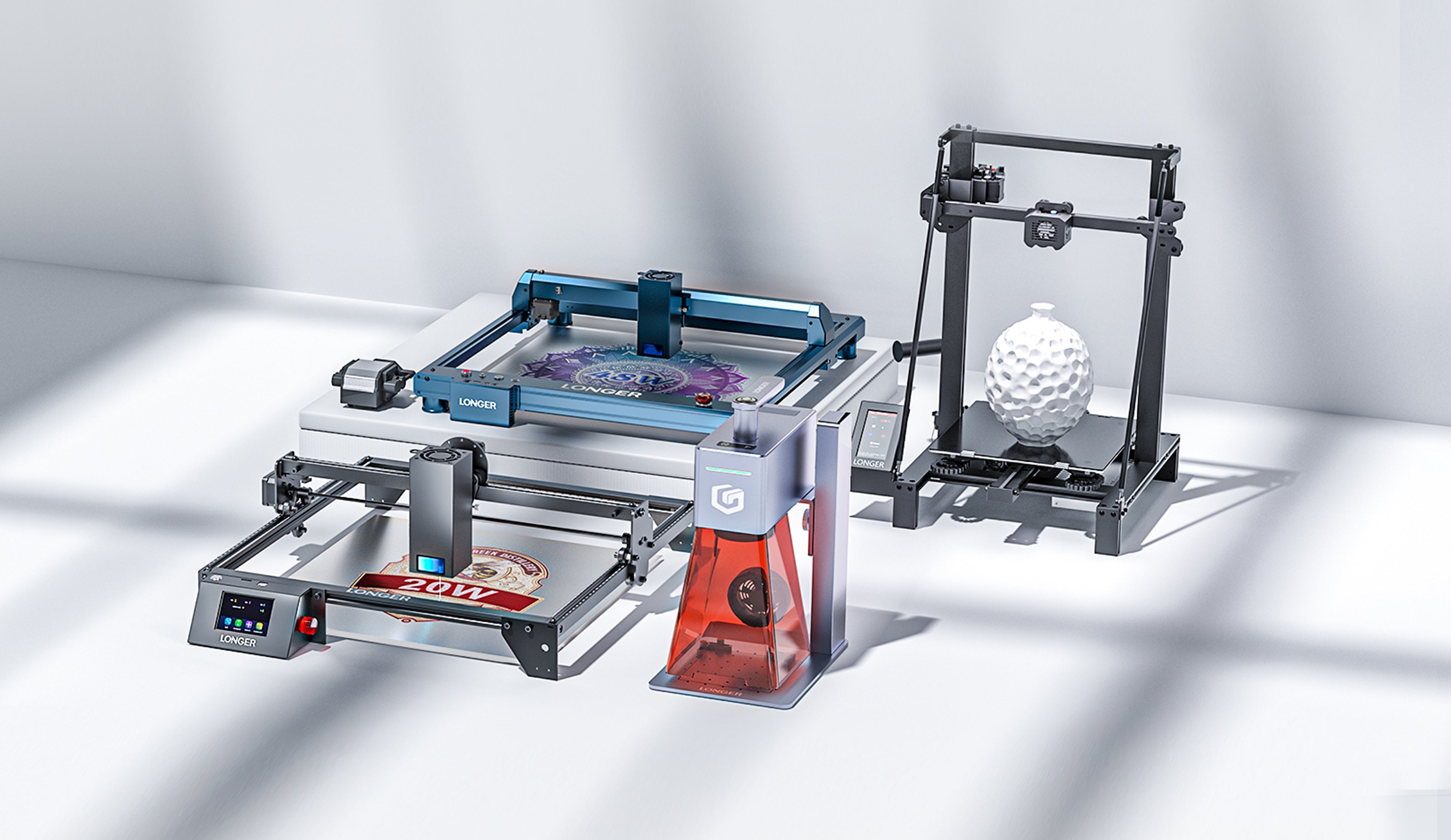
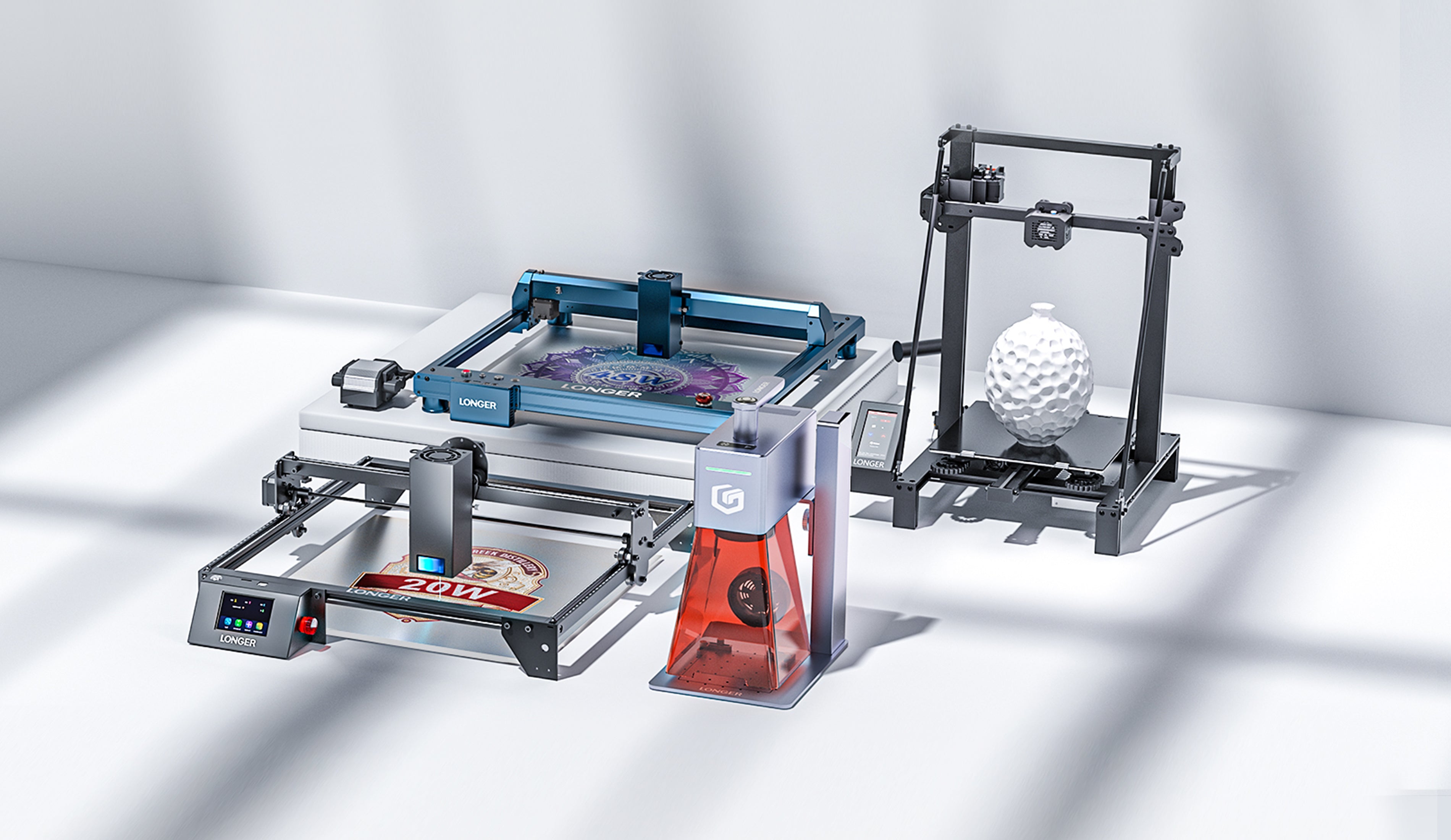
For beginners, the Longer RAY5 Series offers an affordable entry point into laser engraving. For creators who need broader material compatibility, the Nano Series provides excellent versatility. For serious production and advanced cutting capabilities, the LaserB1 Series delivers the speed, power, and precision needed to scale a growing business.
Quick Machine Match: Father's Day Products You Can Sell
| Product |
Recommended Machine |
Why It's a Good Fit |
| Personalized Wooden Family Photo Plaques |
Longer RAY5 10W |
The 400 × 400 mm working area provides enough space for larger photo plaques while maintaining excellent engraving detail on wood. |
| Engraved Leather Wallets |
Longer Nano Pro |
Delivers precise engraving on leather and other delicate materials, making it ideal for personalized wallets and premium gifts. |
| Personalized BBQ Tool Sets |
Longer RAY5 20W |
Higher power allows faster engraving on wooden handles, helping small businesses fulfill seasonal orders more efficiently. |
| Acrylic LED Night Lights |
Longer B1 20W |
Combines fast engraving speeds with reliable acrylic cutting performance for custom LED light projects. |
| Personalized Leather Keychains |
Longer RAY5 5W |
The RAY5 5W offers excellent engraving precision and an affordable entry point for beginners looking to start a personalized gift business. It is ideal for engraving leather keychains, tags, and other small custom accessories. |
| Engraved Pocket Knives |
Longer B1 40W + Ruby Laser Module |
The Ruby Laser Module enables engraving on metal surfaces, while the B1 40W provides the power needed for production work. |
| Engraved Ceramic Coffee Mugs |
Longer B1 30W + Rotary Roller |
The Rotary Roller Attachment allows accurate engraving on cylindrical products such as mugs, tumblers, and bottles. |
| Slate or Marble Coaster Sets |
Longer Nano 6W |
Produces clean and detailed engravings on slate, marble, wood, and other gift materials. |
| Personalized Tool Organizer Panels |
Longer B1 40W |
The large working area and powerful cutting capability make it ideal for workshop organization projects and larger custom products. |
| Layered Wooden Artwork |
Longer RAY5 40W |
Strong cutting performance helps speed up production of multi-layer wooden artwork and premium wall décor pieces. |
Note:
Metal engraving requires the optional Ruby laser module. The standard blue laser module is not designed for direct engraving on bare metal surfaces.To learn more about the differences, please visit: the Differences Between Red and Blue Laser Engraving Machines
FAQ
1.What are the most profitable Father's Day products to sell with a laser engraver?
Premium personalized products such as layered wooden wall art, tool organizer panels, engraved pocket knives, and custom photo plaques often generate the highest profit per order because customers are willing to pay more for unique, customized gifts.
2.Which Father's Day products are easiest for beginners to make?
Leather keychains, slate coasters, and engraved wallets are great beginner-friendly products. They require minimal materials, simple engraving setups, and can be produced quickly for online stores or local markets.
3.Can I start a Father's Day gift business with a beginner laser engraver?
Yes. Many successful sellers start with entry-level machines such as the Longer RAY5 10W or Nano Series. These machines can create a wide variety of personalized Father's Day products including wooden gifts, leather accessories, and acrylic décor.
4.What materials are best for Father's Day laser engraving projects?
Popular materials include:
- Wood
- Leather
- Acrylic
- Slate
- Marble
- Stainless steel
- Ceramic
Each material offers different customization opportunities and appeals to different customer preferences.
5.Are personalized Father's Day gifts profitable?
Personalized gifts typically command higher prices than mass-produced products because customers are purchasing a customized experience. Many sellers achieve healthy profit margins by offering names, family photos, handwritten messages, or custom designs.
6.How many Father's Day gifts can a laser engraving business produce per day?
Production capacity depends on the product size and complexity. Small items such as keychains can be produced in batches of dozens per day, while larger products such as layered wall art or workshop organizers may require more production time but often generate higher profits per sale.
7.Do I need special accessories to engrave metal products or mugs?
Yes.
- Metal products such as pocket knives require the Ruby Laser Module for direct metal engraving.
- Cylindrical products such as mugs, tumblers, and bottles require a Rotary Roller Attachment for accurate engraving.
These accessories can significantly expand the range of products your laser engraving business can offer.
8.What is the best laser engraver for a Father's Day gift business?
The best machine depends on your business goals:
-
RAY5 Series — Ideal for beginners and hobbyists starting a personalized gift business.
-
Nano Series — Great for detailed engraving on small gift items and multiple materials.
-
B1 Series — Best for higher-volume production, faster speeds, and advanced cutting capabilities.
9.Can I sell these Father's Day products on Etsy or Shopify?
Absolutely. Personalized Father's Day gifts are among the most popular seasonal categories on both Etsy and Shopify. Products such as engraved wallets, photo plaques, night lights, and custom wall art consistently perform well because they combine emotional value with personalization.
10.What is the best Father's Day product for a small laser engraving business?
If you're just starting out, leather keychains, wallets, and BBQ tool sets offer a good balance of low material costs, steady demand, and manageable production times. As your business grows, you can expand into higher-value products such as layered wooden artwork and custom workshop organizers.