Laser Engraver Blogs

The Power of the Creator: How Portable Laser Engraving Equipment is Redefining DIY Projects

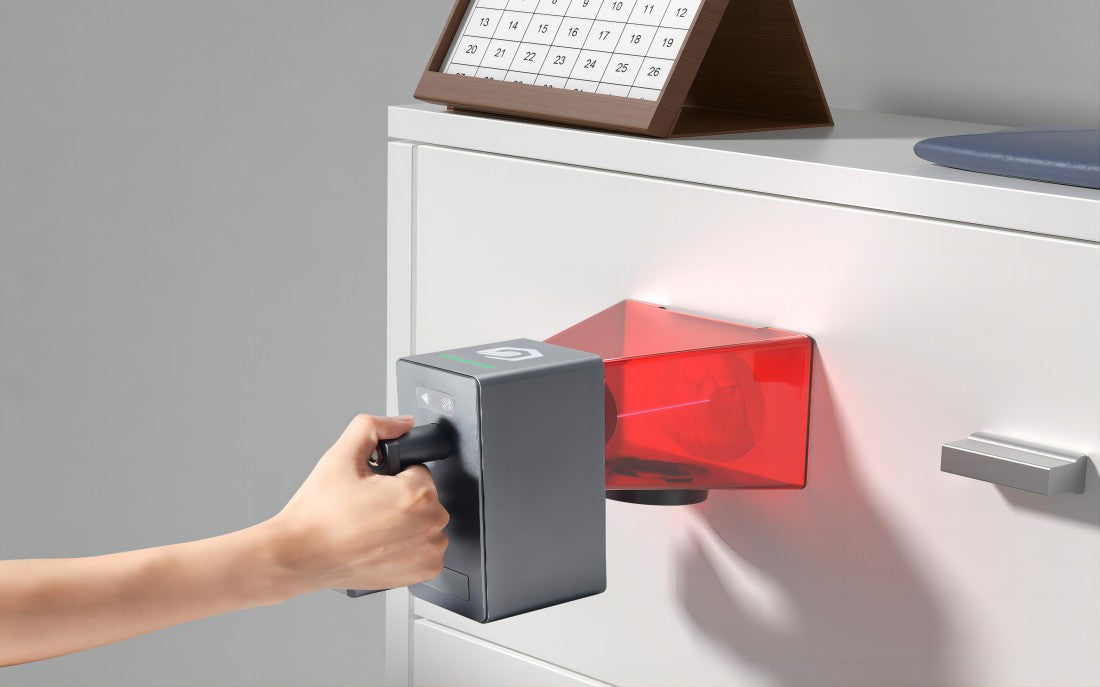
In the trend of technology, a portable laser engraver is like a magician who breathes new life into DIY projects. It is not only a tool, but also a catalyst for innovative thinking, and the LONGER Nano laser engraver is one of the best of the best, leading DIY projects to new heights with its superb technology and outstanding performance. While LONGER's laser engraving machines, LaserB1 and Ray5, boast powerful functionalities and compact designs suitable for home desktop use, they may not be considered highly portable.

In response to the growing demand for portable options, LONGER decide to research and develop a portable laser engraving machine. Thus, the world's first 12W laser engraving machine, the LONGER Nano, was born. Today, we explore the infinite possibilities of DIY projects with LONGER Nano and make them shine like never before.


Precision and finesse: the charm of laser engraving
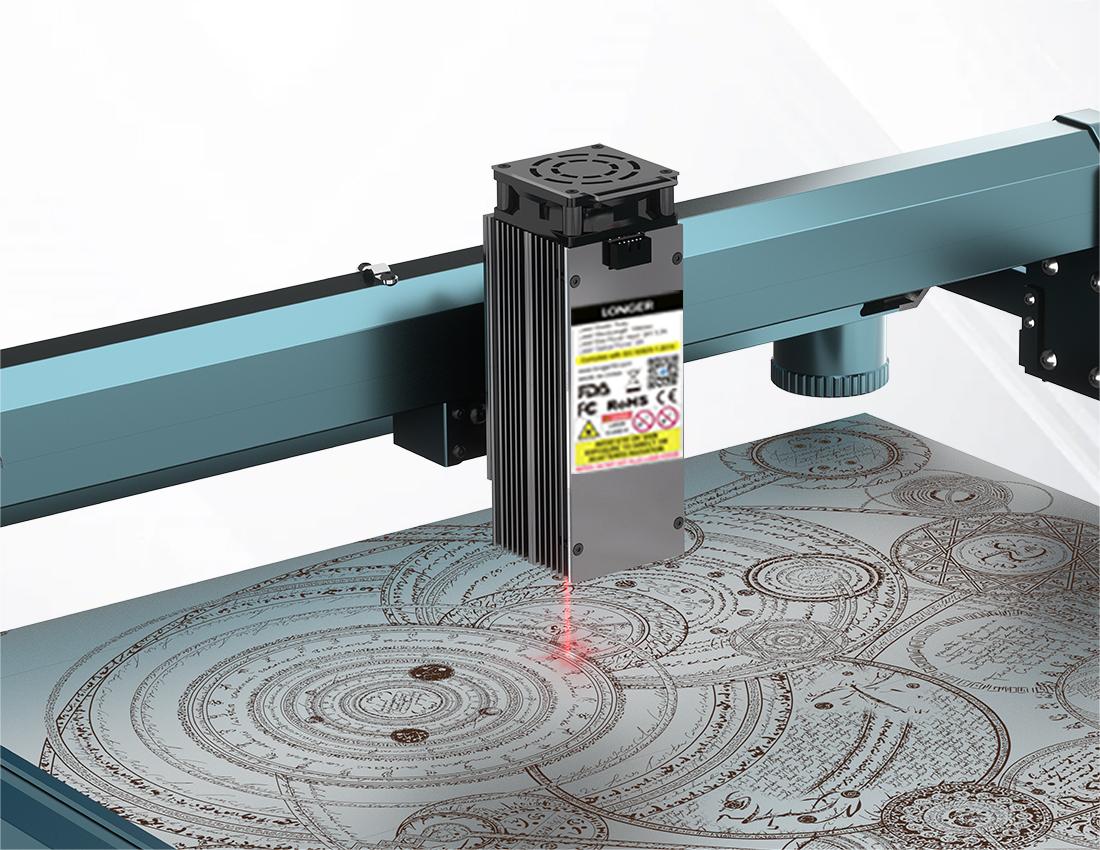
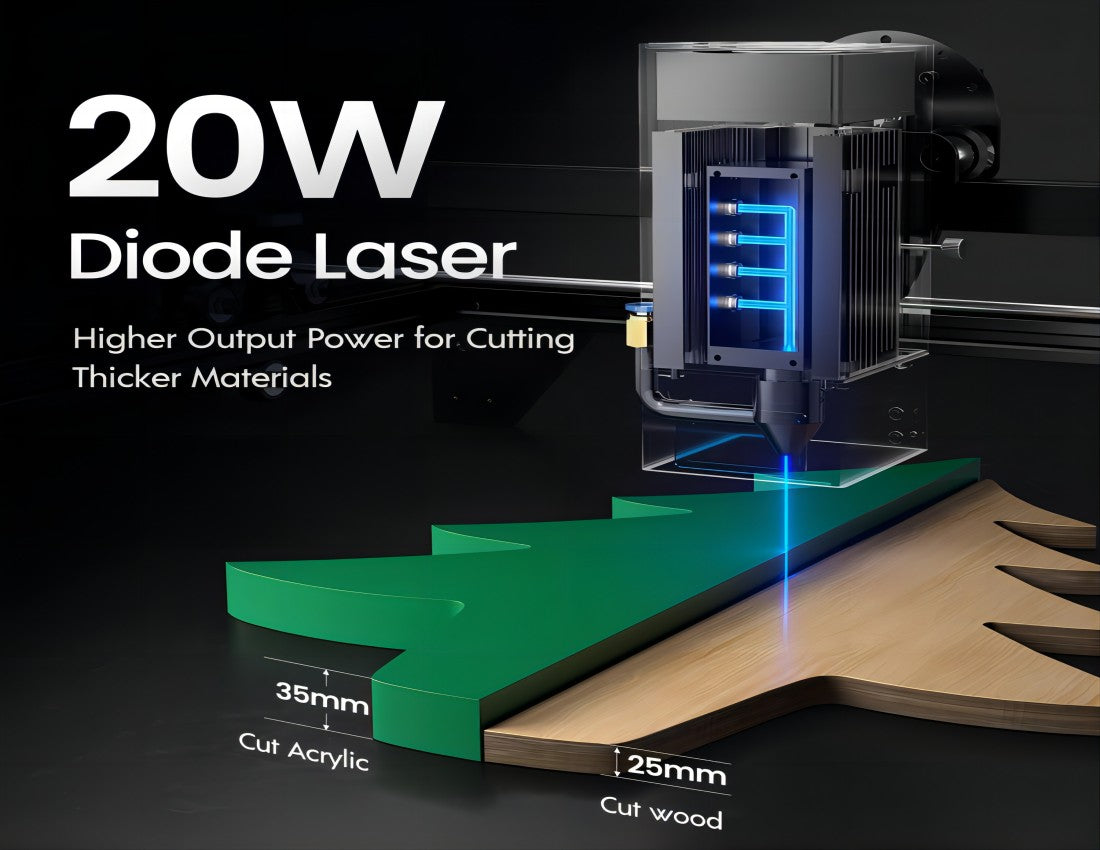
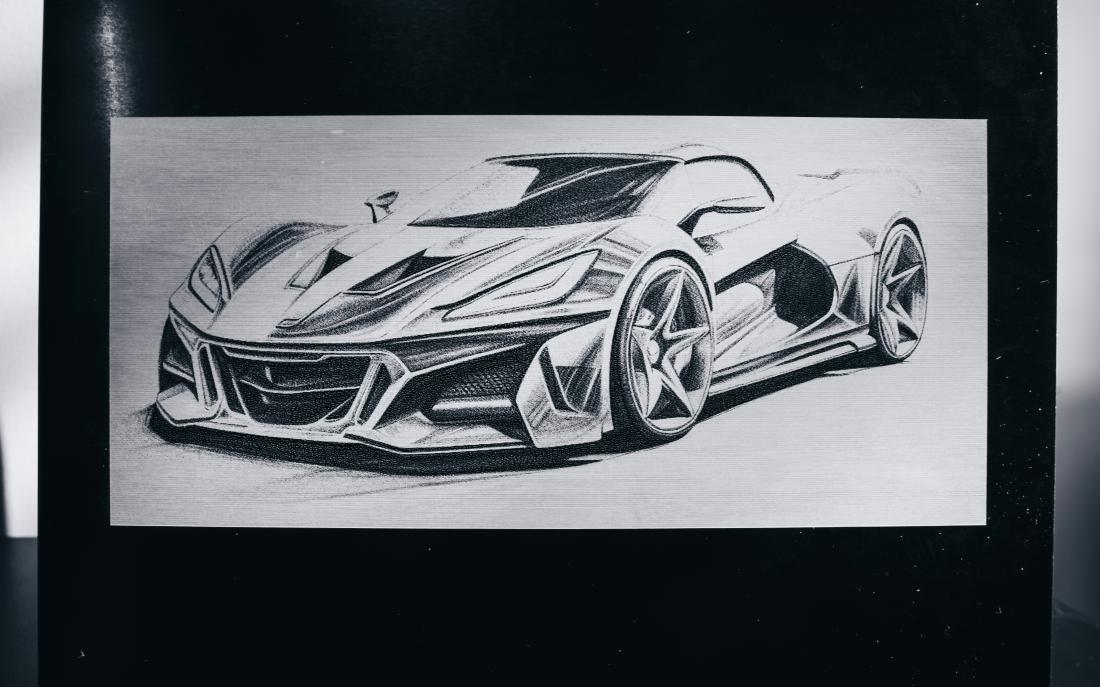
LONGER Nano laser engraving machine brings every detail to life with its high precision of 0.02*0.02mm with field mirror and ultra-fast engraving speed of 2200mm/s. Whether it's a complex pattern or subtle text, it can handle it with ease. Its excellent cutting ability can easily cut wood up to 8.5mm thick, showing the unique charm of laser engraving.


Versatility and flexibility: expanding the boundaries of creativity
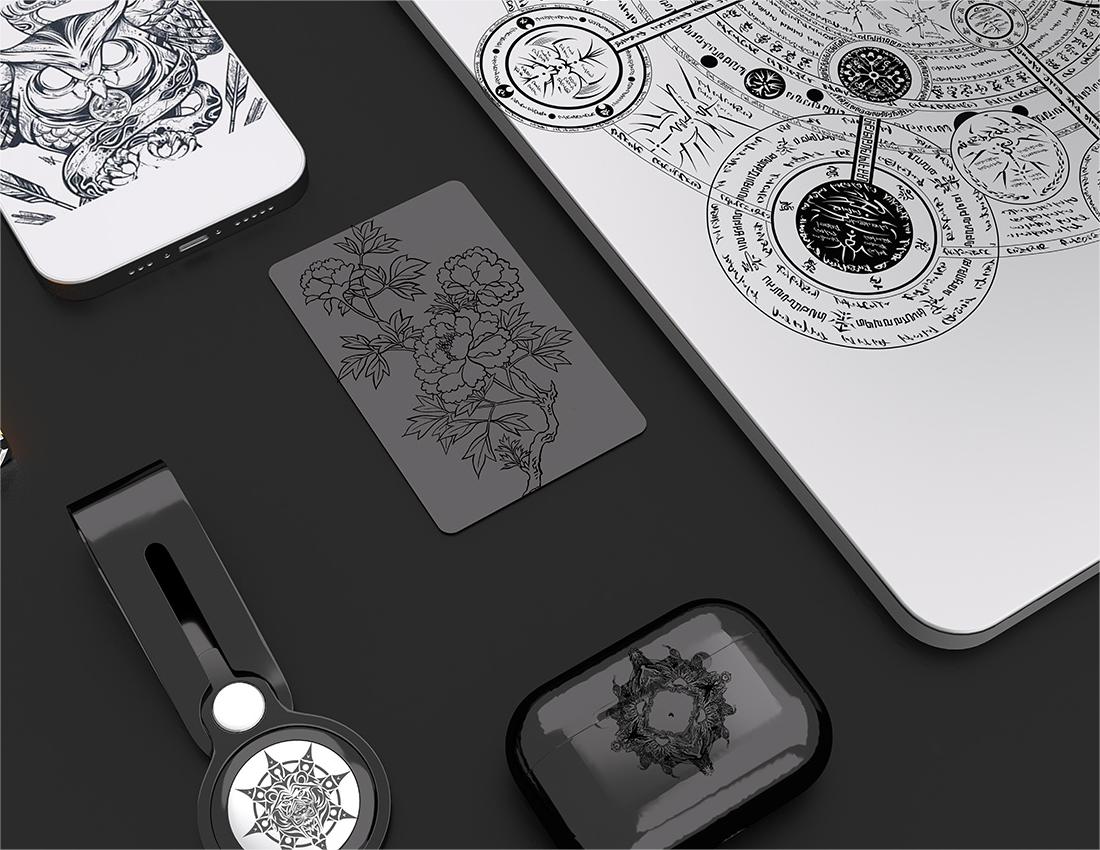
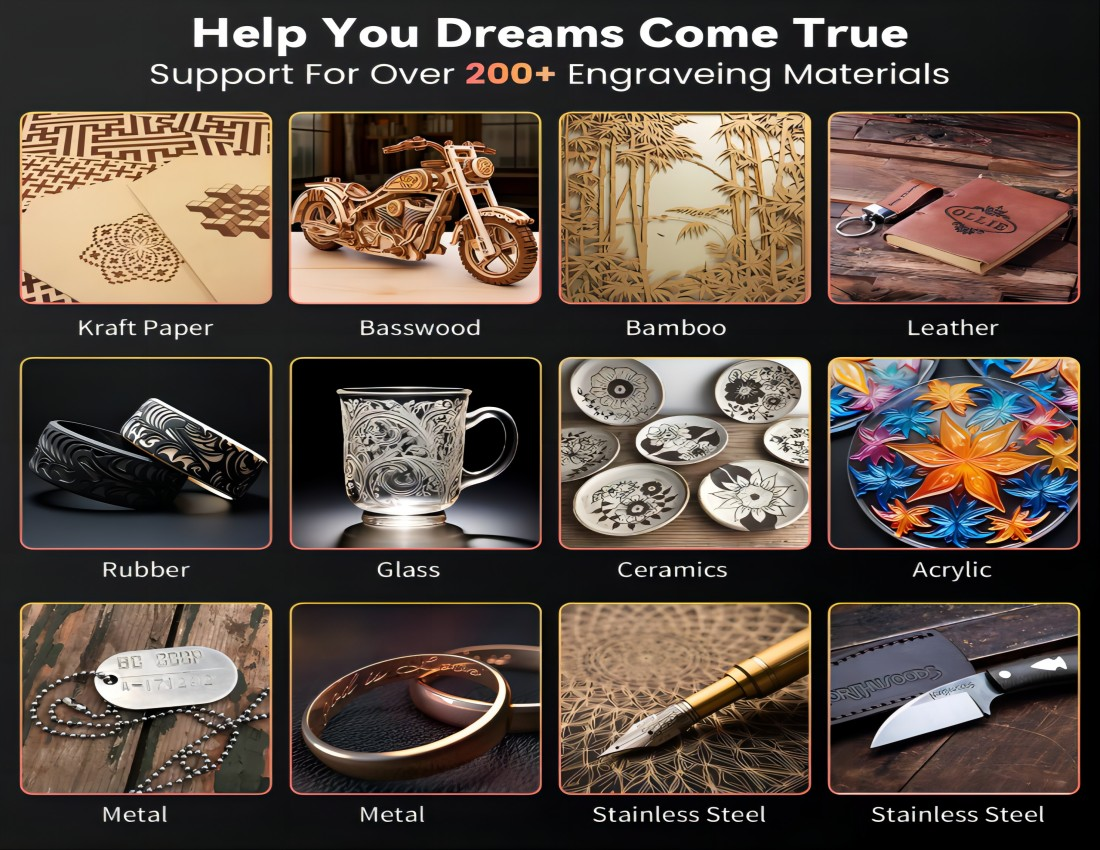
The LONGER Nano laser engraver can be used on a wide range of materials, such as metal, leather, stone, etc. The Nano can flexibly respond to the needs of creators. Whether it's wood, paper or fabric, the Nano can transform them into beautiful works of art, such as prints, coasters, fabric upholstery and more. This versatility and flexibility give creators more room for creativity.



Intelligence and Convenience: Making Creation Easier
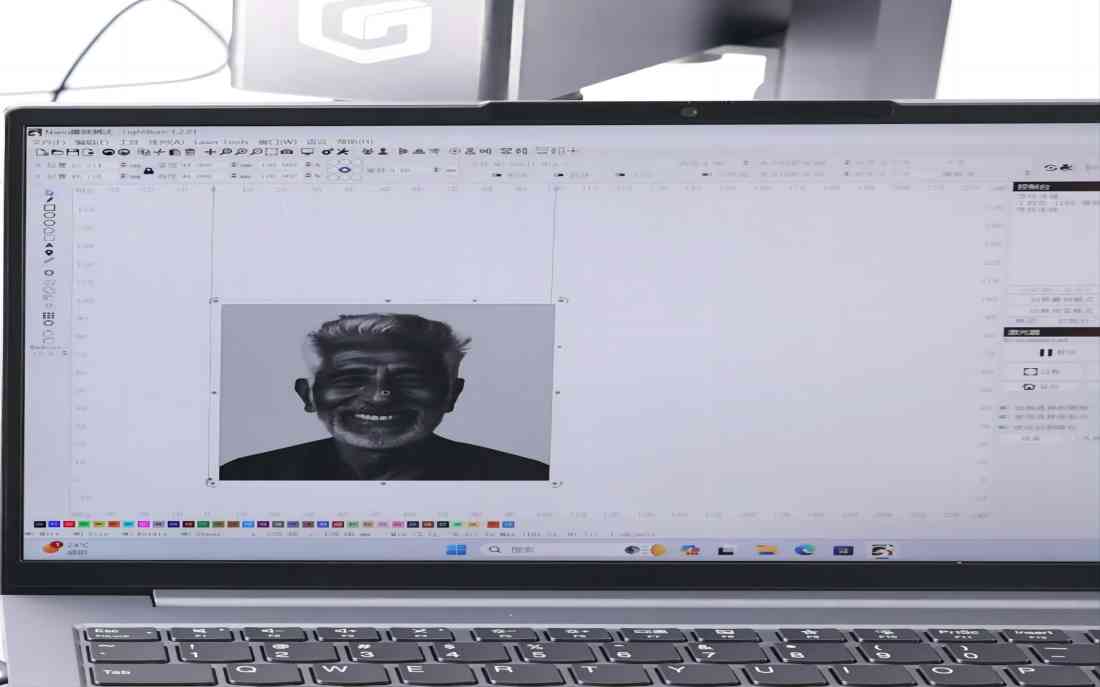
LONGER Nano laser engraving machine adopts intelligent design, the operation is simple and easy to understand, and the engraving APP-LaserBurn developed by the LONGER team makes engraving simpler, even beginners can quickly get started and enjoy the fun of creation. This combination of intelligence and convenience makes DIY projects easier and more fun.


Unlimited Creativity: Stimulating Creators' Imagination
The introduction of laser engraving technology brings endless creative possibilities for DIY projects. the LONGER Nano laser engraver allows creators to turn their imagination into reality, whether in the studio or outdoors, they can use the Nano to make creative artwork anytime, anywhere. Instantly carve new inspirations into wood, metal, leather, denim,and other preferred materials to create one-of-a-kind works of art. The use of this technology not only stimulates the imagination of creators but also pushes DIY projects towards greater diversity and personalization.


Quality Improvement: Creating Fine Works of Art
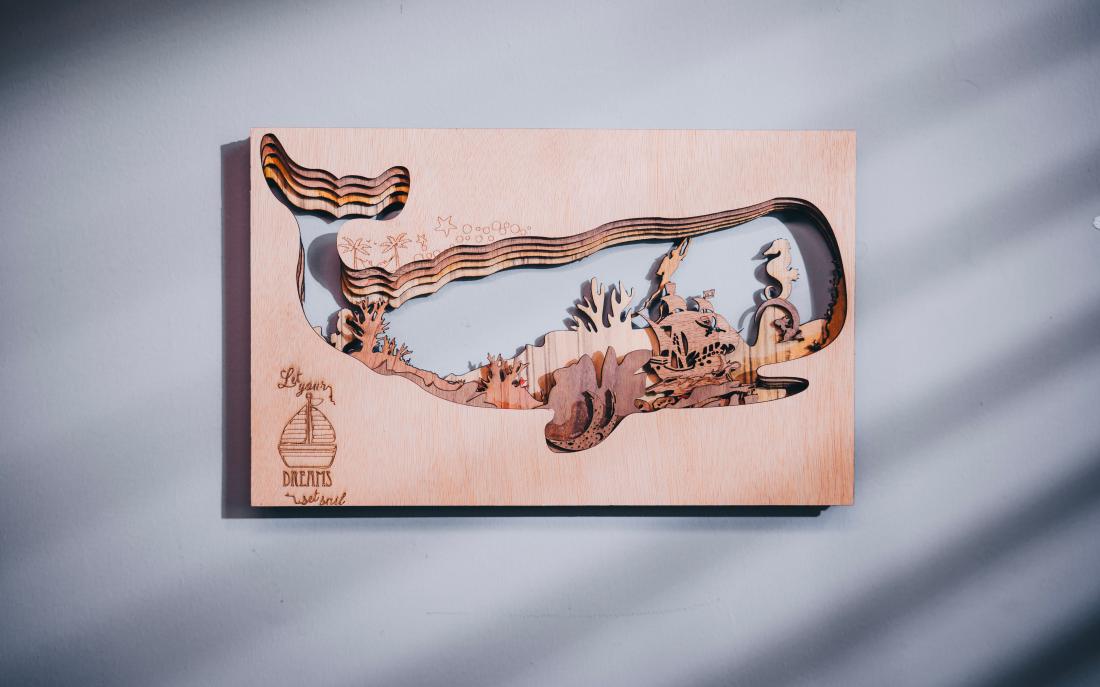
The high precision and quality of laser engraving technology brings a leap in quality to DIY projects, and the LONGER Nano laser engraving machine makes every detail perfect and creates stunning works of art. This technology not only enhances the quality of the DIY project but also makes the creator's work more collectible.


In Conclusion

With its unique appeal, LONGER Nano is redefining the future of DIY projects. It stimulates creators' imagination, improves the quality of their work ,and lowers the threshold of creation, making DIY projects full of new vigor and vitality. In the future, the LONGER team will continue to promote the research, development ,and application of laser engraving technology to bring technological innovation and economic benefits to various industries and lead DIY projects to a broader and better tomorrow.

By Laser Engraver Blogs | April 11, 2024
Mastering Precision: Essential Tips for Laser Cutting Success

Proper calibration and setup are critical to achieving high-quality results in laser cutting and engraving. Whether you are working with wood, acrylic, fabric, or metal, following correct operating practices ensures accuracy, efficiency, and consistency.

1. Proper Calibration

Accurate calibration is the foundation of successful laser cutting.

This includes:

  • Fine-tuning the cutting bed level
  • Ensuring precise laser beam alignment
  • Verifying correct focal distance and positioning

Consistent calibration throughout operation helps maintain stable cutting accuracy and prevents quality issues.

With LONGER laser machines, precise calibration ensures smooth material processing and clean, professional-grade results. The fixed-focus system also helps maintain consistent cutting depth, reducing the need for frequent manual adjustments.

2. Material Selection Matters

Different materials respond differently to laser energy, making material selection a key factor in performance.

Important factors include:

  • Thickness
  • Density
  • Surface reflectivity

For example:

  • Delicate materials like paper or fabric require lower power settings to avoid burning or scorching
  • Dense materials such as wood or acrylic require higher power and slower speeds for clean cuts

LONGER laser machines provide flexible settings that allow users to adapt easily to different material types.

3. Always Perform Test Cuts

Before starting complex or final projects, test cuts are essential.

Test cutting helps you:

  • Adjust power and speed settings
  • Verify focus accuracy
  • Avoid material waste or damage

For instance:

  • When engraving fine details on metal with the RAY5 20W, test cuts help prevent discoloration or overheating
  • When cutting thick materials like basswood or acrylic with the Laser B1 series, trial runs ensure clean edges and consistent performance

4. Ensure Proper Ventilation

Laser cutting produces smoke, dust, and fumes that may be harmful if not properly managed.

Always:

  • Work in a well-ventilated environment
  • Use an exhaust system or air filtration setup

This protects both the operator’s health and machine performance.

5. Secure Material Placement

To ensure accuracy during operation, materials must be firmly fixed in place.

Recommended methods include:

  • Clamps
  • Double-sided adhesive
  • Custom fixtures

Proper fixation prevents movement, vibration, or misalignment during cutting.

6. Optimize Cutting Parameters

Fine-tuning settings is essential for achieving optimal results.

Adjust:

  • Power
  • Speed
  • Frequency

Balancing these parameters helps reduce:

  • Burning
  • Melting
  • Edge charring

Experimentation is key to finding the best combination for each material.

7. Maintain the Laser Lens

Regular lens maintenance is critical for consistent performance.

Dust or residue buildup can:

  • Reduce cutting accuracy
  • Weaken laser power
  • Affect beam quality

Always clean the lens using manufacturer-recommended methods and replace it when necessary.

8. Use Assistive Technologies

Modern laser systems may include:

  • Camera alignment systems
  • Real-time monitoring tools
  • Smart positioning software

These features improve precision and efficiency, especially for complex or detailed designs.

Conclusion

By following proper calibration, material selection, testing, and maintenance practices, users can achieve highly precise and efficient laser cutting results.

With LONGER laser engraving machines—developed through years of innovation in laser technology—you are equipped with reliable tools designed to enhance creativity, accuracy, and productivity across a wide range of materials and applications.

By Laser Engraver Blogs | April 11, 2024
The Power of Precision: Understanding the Differences Between Red and Blue Laser Engraving Machines

Red and blue lasers are two prevalent choices in the engraving machine market, each equipped with distinct laser heads. These laser heads offer unique performance characteristics and applications. By comprehending the disparities between red and blue lasers, we can make informed decisions to enhance production efficiency and quality. This article delves into the variances between red and blue laser engraving machines, using the LONGER RAY5 20W laser engraving machine and the LONGER Ruby Pulsed Infrared Laser Module as a case study.

Features of red laser engraving machine
Red light laser engraving machines usually use longer wavelength red light as the engraving light source, which has higher penetrating power and larger spot diameter. This makes it excellent at handling thicker materials such as wood, leather, and certain non-metallic materials. In addition, red light laser engraving machines also have high engraving speed and low cost, so they are popular in mass production and rapid prototyping.

Application of red laser engraving machine
LONGER Ruby PulsedInfrared Laser Module is a red laser head developed by the LONGER team. It uses advanced technology and an ultra-fine laser spot size of 0.03*0.03mm, which can easily achieve complex details down to millimeters, and can be produced on metals, plastics, etc. Perfect carving. LONGER Ruby has unparalleled engraving capabilities from metals and alloys such as iron, copper, aluminum, magnesium, zinc, gold, silver and titanium to other materials such as metal oxides, plated surfaces, ABS, inks and epoxies. When the laser engraving comes to engraving on glass, the choice of LONGER Ruby Pulsed Infrared Laser Module ensures seamless engraving without any tinting, showcasing its remarkable efficiency and speed in completing tasks while maintaining the clarity and precision of the design. Particularly suitable for scenarios requiring processing of thick materials and large-scale production, for instance, in industries like engineering and leather product manufacturing, Ruby Pulsed Infrared Laser Module offer unmatched efficiency in completing engraving tasks, thereby significantly enhancing overall production efficiency.

Features of blue laser engraving machine
Blue light laser engraving machines use shorter wavelength blue light as the engraving light source, with higher resolution and smaller spot diameter. This makes it excellent at handling thin materials such as paper, plastic and metal films. Blue light laser engraving machines also have high engraving accuracy and low heat output, so they have advantages in fine engraving and high-precision cutting.Longer's LaserB1 series and Ray5 laser engraving machines represent prime examples of blue laser engraving technology, maintaining their blue laser functionality without the need for a laser head change.

Application of blue laser engraving machine
LONGER RAY5 20W  blue light laser engraving machine is a four-core diode laser with 22-24W output power and strong cutting ability. Its ultra-fine 0.08*0.1mm focus and 10000mm/min burning speed can effectively engrave on metal surfaces. Achieve multi-color engraving, and support multiple connection options, such as WIFI, APP, USB and TF card. For scenes that require fine engraving and high-precision cutting, blue-ray laser engraving machines have more advantages. They can easily achieve detailed engraving while avoiding material deformation due to high temperatures. For example, in the electronics industry, precision instrument manufacturing and other fields, blue-ray laser engraving machines can achieve high-precision engraving and cutting to meet product accuracy requirements. In addition, blue light laser engraving machines are also widely used in art production, anti-counterfeiting markings and other fields.

Conclusion

Red light and blue light laser engraving machines each have their own unique advantages and application scenarios. When choosing a laser engraving machine, creators should choose the appropriate model according to specific needs. Understanding the differences between red light and blue light is of great significance for us to choose the appropriate and accessories equipment. With 8 years of professional research in laser engraving machines, LONGER is committed to advancing the research, development, and application of laser engraving technology, delivering technological innovation and economic benefits to various industries. In the future field of laser engraving, the power of precision will continue to lead us to broader application prospects. 


By Laser Engraver Blogs | April 10, 2024
Decoding the differences:portable vs desktop laser engraving machines

Driven by rapid advancements in modern manufacturing technology, laser engraving has evolved from an industrial-grade process into a widely accessible tool for creators, small businesses, and DIY enthusiasts. Today, it is commonly used in product customization, craft production, signage making, and personalized design work.

As the market continues to expand, laser engraving machines have broadly developed into two main categories: portable laser engraving machines and desktop laser engraving machines. While both rely on similar laser technology, they differ significantly in structure, performance, and application scenarios. Understanding these differences is essential for selecting the right equipment for your needs.

Overview of Portable Laser Engraving Machines

Portable laser engraving machines are designed with compactness and mobility in mind. Their lightweight structure allows users to easily transport and operate them in different locations, making them ideal for flexible working environments.

Key Characteristics:

  • Compact and lightweight design
  • Easy to transport and set up
  • Suitable for small-scale or on-site projects
  • Typically lower power output compared to desktop models

Typical Applications:

Portable machines are commonly used for:

  • Personalized engraving on small items
  • Field work or mobile services
  • DIY crafting and hobby projects
  • Small business customization services

Due to their portability, these machines prioritize convenience over heavy-duty industrial performance.

Overview of Desktop Laser Engraving Machines

Desktop laser engraving machines are larger, more stable systems designed for precision, power, and continuous operation. They are commonly used in workshops, studios, and production environments where higher performance is required.

Key Characteristics:

  • Larger working area
  • Higher laser power and cutting capability
  • Greater stability during operation
  • Suitable for long-duration or batch processing tasks

Typical Applications:

Desktop machines are widely used for:

  • Wood, acrylic, and metal engraving
  • Commercial production and batch manufacturing
  • High-precision design work
  • Complex and large-format projects

These machines are designed for users who require higher efficiency, consistency, and material versatility.

Key Differences Between Portable and Desktop Models

Although both types use laser technology, their differences are clear in several key areas:

Size and Mobility

  • Portable: Easy to carry, flexible usage locations
  • Desktop: Fixed installation, requires dedicated workspace

Power and Performance

  • Portable: Lower power, suitable for light-duty tasks
  • Desktop: Higher power, capable of cutting and deep engraving

Precision and Stability

  • Portable: Good for simple engraving tasks
  • Desktop: Higher stability and precision for complex work

Application Scope

  • Portable: Personal use, small-scale customization
  • Desktop: Industrial use, business production, advanced crafting

How to Choose the Right Machine

Selecting between portable and desktop laser engraving machines depends on your specific needs:

  • If you prioritize flexibility, mobility, and simple projects, a portable machine is more suitable.
  • If you require higher power, precision, and production efficiency, a desktop machine is the better choice.

Understanding your workflow, material types, and production goals will help ensure the right investment.

Conclusion

Portable and desktop laser engraving machines each play an important role in the expanding world of laser technology. Portable models bring accessibility and convenience to individual creators, while desktop systems deliver the power and precision required for professional and industrial applications.

As laser engraving continues to develop, users now have more options than ever to match their creative and business needs. Choosing the right type of machine ultimately depends on balancing mobility, performance, and intended application.


By Laser Engraver Blogs | April 10, 2024
Troubleshooting Common Issues with Ray5 20W Laser Cutter

The LONGER Ray5 20W laser engraving machine is a powerful and versatile tool widely used for cutting and engraving a variety of materials. However, like any precision device, users may occasionally encounter technical issues that affect performance and workflow efficiency.

Understanding how to identify and resolve these common problems is essential for maintaining consistent output quality and ensuring long-term machine stability. This guide outlines the most frequently encountered issues with the Ray5 20W and provides practical troubleshooting solutions.

Poor Cutting Precision

One of the most common issues is inaccurate or inconsistent cutting results.

Possible causes:

  • Loose belts or mechanical components
  • Improper focus adjustment
  • Incorrect machine calibration
  • Unstable working surface

Solutions:

  • Tighten belts and check all mechanical connections
  • Recalibrate the laser module and ensure proper focusing
  • Level the working bed before operation
  • Secure the material firmly to prevent movement

Maintaining mechanical stability is key to achieving precise cutting results.

Insufficient Engraving Depth

If engraving appears too light or shallow, the issue is often related to energy output or settings.

Possible causes:

  • Low laser power setting
  • Incorrect speed configuration
  • Dirty or obstructed lens

Solutions:

  • Increase laser power gradually
  • Reduce engraving speed for deeper marking
  • Clean the laser lens regularly to ensure optimal beam transmission

Proper parameter adjustment is critical for achieving consistent engraving depth.

Software Connection Issues

Connectivity problems between the laser cutter and control software can interrupt workflow.

Possible causes:

  • Faulty USB cable or connection port
  • Driver installation errors
  • Incompatible software version

Solutions:

  • Replace or reconnect USB cables
  • Reinstall device drivers
  • Ensure software is updated and compatible with the Ray5 system

Stable communication between software and hardware is essential for reliable operation.

Burn Marks or Excessive Charring

Burnt edges or excessive charring can affect the quality of finished work.

Possible causes:

  • Excessive laser power
  • Slow engraving speed
  • Poor airflow or ventilation

Solutions:

  • Reduce power settings appropriately
  • Increase engraving speed
  • Improve ventilation or use an exhaust system

Balancing power and speed is key to clean engraving results.

Lens Contamination or Degradation

A dirty or damaged lens can significantly reduce laser performance.

Possible causes:

  • Dust buildup during operation
  • Smoke residue accumulation
  • Lack of regular maintenance

Solutions:

  • Clean the lens using recommended cleaning tools
  • Inspect regularly for damage or wear
  • Replace the lens if necessary

Routine maintenance ensures long-term performance stability.

Conclusion

While the LONGER Ray5 20W laser cutter is designed for reliability and precision, proper maintenance and correct operational settings are essential for optimal performance. Most common issues can be resolved through simple adjustments, regular cleaning, and proper calibration.

By understanding these troubleshooting methods, users can minimize downtime, improve engraving quality, and ensure smooth, efficient operation across a wide range of projects.


By Laser Engraver Blogs | April 9, 2024
From Concept to Creation: Exploring the Versatility of Laser Engraving Machines

As science and technology continue to advance, laser technology has become increasingly integrated into various aspects of our lives. Among these applications, laser engraving machines stand out for their precision, efficiency, and flexibility, making them a popular choice among users. Today, let's delve into the versatility of laser engraving machines, using the LaserB1 30W as an example, and discover how laser engraving enhances convenience in our daily production and life.

What is a laser engraving machine
A laser engraving machine is a device that uses a laser beam to engrave materials. It uses a high-energy-density laser beam to irradiate the surface of the material, and through the interaction between the laser and the material, it can achieve functions such as engraving, cutting, drilling, marking, and personalized customization. Laser engraving machines are widely used in various industries, such as processing of wood, stone, metal, plastic and other materials. LaserB1 30W with a spacious working area of 450x440mm (17.72x17.32 inches) and a wavelength of 450nm, this machine delivers exceptional performance for a wide range of applications. Its fixed focus of 50mm ensures consistent and precise engraving, with a remarkable resolution of 0.08x0.1mm. Operating at a power range of 33~36W, it can effortlessly tackle materials with a thickness of up to 50mm at a blazing speed of 36000mm/min. Powered by a DC24V 7.5A 180W power source and compatible with AC 110-240V, 50/60Hz, the B1 30W supports various operating systems, including LaserGRBL on XP/7/8/10 (Free) and LightBurn on Windows, Mac OS, and Linux. Offering versatile connectivity options such as USB, TF Card, WiFi, and a dedicated mobile app, this machine ensures seamless integration with your workflow.

Laser Engraving Machine Versatility

The versatility of the laser system extends to a wide array of materials, encompassing wood, acrylic, plastic, stone, metal, and more. For instance, it can engrave intricate designs and patterns on wooden surfaces, create personalized acrylic signage, etch serial numbers and logos onto metal parts, and even carve detailed images into stone surfaces. Moreover, it excels in adding serial numbers to tools, enhancing traceability and inventory management in manufacturing processes. Whether you're engraving intricate designs on jewelry, adding branding elements to promotional items, or personalizing gifts with custom messages, the laser system offers unparalleled versatility and precision across various materials and applications.

Engraving function

One of the basic functions of a laser engraving machine is the engraving function. On wood, metal or plastic, laser engraving machines can carve delicate patterns and text with extremely high precision. By adjusting the laser power and engraving speed, engraving effects of different shades and line thicknesses can be achieved.

Cutting function

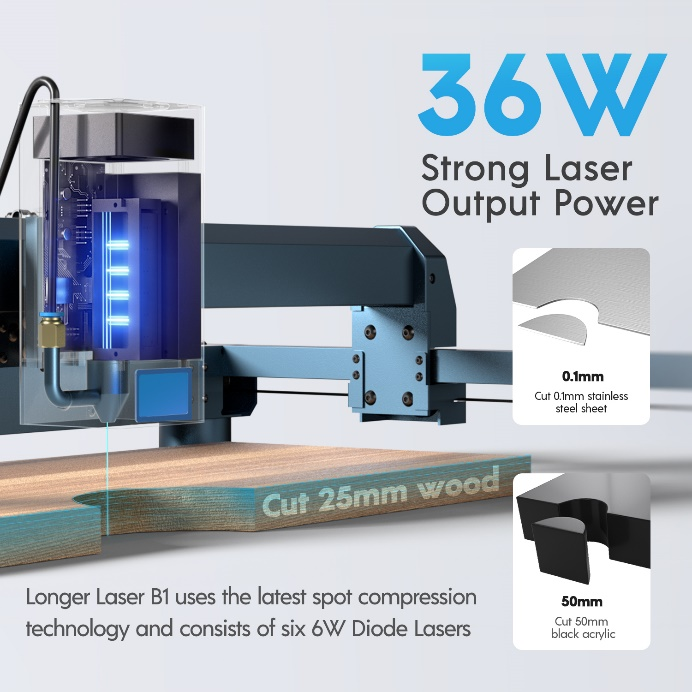
The cutting capability of laser engraving machines extends to a diverse range of thin materials, ensuring precise and clean cuts without any burrs or heat-induced deformations. From leather and cloth to paper and more, it effortlessly achieves accurate cutting results across various materials. For instance, LaserB1 30W can effortlessly cut through 20mm paulownia wood, 10mm black acrylic, and even thin stainless steel plates in a single pass. Additionally, it capable of handling materials as thick as 25mm basswood and 50mm black acrylic with ease. With its ability to achieve clean and precise cuts across a wide range of materials and thicknesses, the laser engraving machine proves to be an invaluable tool for various applications, from crafting and prototyping to industrial manufacturing and beyond.

Hole punch function
The laser engraving machine can also achieve the function of drilling holes in the material by adjusting the focus and power of the laser beam. Laser drilling has the characteristics of fast speed and high precision, and is suitable for mass production.

Marking function
Labeling products is an essential part of many industries. Laser engraving machines can engrave clear and durable marks on the surface of materials with extremely high precision, such as product numbers, production dates, etc. This marking method is not only beautiful and elegant, but also not easy to wear and tear, which helps to increase the added value of the product.

Personalized customization
The versatility of laser engraving machines also extends to personalization. Whether it is making personalized jewelry, gifts, or customizing exclusive seals, logos, etc. for enterprises, laser engraving machines can meet the personalized needs of users. With laser engraving machines, we can easily achieve the perfect combination of creativity and art.

Conclusion

As a cutting-edge laser application equipment, laser engraving machines have revolutionized our lives with their remarkable versatility. From engraving and cutting to punching, marking, and personalization, these machines cater to a wide array of industries, thanks to their exceptional precision, efficiency, and flexibility.

Established in 2016, LONGER boasts a team of research personnel hailing from renowned institutions such as the Massachusetts Institute of Technology, Georgia Institute of Technology, University of Manchester in the UK, The Autonomous University of Barcelona in Spain, and the University of Newcastle in Australia. The brand's founders, Dr.Lao and Dr.He driven by a determination to challenge the traditional market dominated by costly laser engraving machines, committed themselves to providing users with cutting-edge products offering exceptional value for money. LONGER 's products are renowned worldwide and hold a prestigious reputation among universities. In addition to the advanced B1 series, LONGER offers a range of highly professional products such as the beginner-friendly Ray5 series, Longer tailored to meet the diverse needs of experienced users.

With technology advancing at a rapid pace, LONGER is confident that laser engraving machines will continue to play an increasingly pivotal role in future production and daily life.

By Laser Engraver Blogs | April 9, 2024
Unleashing Creativity: The Evolution of Laser Engraving Technology

Laser engraving technology has rapidly evolved over the past decades, transforming from a specialized industrial process into an accessible creative tool for makers, designers, and small businesses. Today, laser engraving machines are widely used to turn everyday materials into personalized, detailed, and high-value creations.

From custom gifts to artistic works and functional products, this technology has opened new possibilities for creative expression with a level of precision that was previously difficult to achieve.

From Industrial Tool to Creative Platform

Originally, laser engraving systems were primarily used in industrial manufacturing for marking, cutting, and serial production. These machines required complex setups and were limited to professional environments.

However, advancements in laser diode technology, control systems, and software integration have significantly lowered the barrier to entry. Modern laser engravers are now more compact, user-friendly, and affordable, making them accessible to a much wider audience.

As a result, laser engraving has shifted from a purely industrial function to a creative platform for personalization and innovation.

Expanding Creative Possibilities

One of the most significant advantages of laser engraving technology is its ability to work with a wide range of materials, including:

  • Wood
  • Acrylic
  • Leather
  • Glass
  • Metal surfaces
  • Paper and cardboard

This versatility allows users to create diverse projects such as:

  • Personalized gifts
  • Custom home décor
  • Jewelry and accessories
  • Branding and product labeling
  • Artistic installations

With precise control over depth, power, and speed, even highly detailed designs can be accurately reproduced.

Precision and Control in Modern Laser Systems

Modern laser engraving machines are designed to deliver high precision and repeatability. Fine control over laser parameters enables users to achieve consistent results across different materials and project types.

Key technological improvements include:

  • Higher resolution engraving capability
  • Improved motion control systems
  • More stable laser output
  • Advanced software integration

These developments allow creators to move seamlessly from digital design to physical product with minimal loss of detail.

Empowering Makers and Small Businesses

Laser engraving technology has also become an important tool for entrepreneurs and small businesses. It enables on-demand production, customization services, and low-volume manufacturing without the need for large-scale industrial equipment.

This shift has empowered individuals to:

  • Launch personalized product businesses
  • Offer custom engraving services
  • Prototype designs quickly and efficiently

As a result, creativity is no longer limited by manufacturing constraints.

The Future of Laser Creativity

As laser technology continues to advance, we can expect even greater accessibility, precision, and automation. Integration with smart software, AI-assisted design, and improved material compatibility will further expand creative possibilities.

Laser engraving is no longer just a tool—it is becoming a bridge between digital imagination and physical reality.

Conclusion

The evolution of laser engraving technology has fundamentally changed the way people create, design, and manufacture. By combining precision engineering with creative freedom, it enables users to transform simple materials into meaningful and personalized works of art.

As this technology continues to develop, its role in both creative industries and everyday life will only continue to grow.

By Laser Engraver Blogs | April 8, 2024
How to operate RAY5 Laser engraving machine

LaserBurn is a powerful mobile application designed specifically for LONGER laser engraving machine users, including the Nano and B1 series. It is developed to improve both convenience and control, allowing users—whether beginners or professionals—to operate their laser engraving machines directly from a smartphone.

With LaserBurn, users can streamline workflow, reduce setup complexity, and enjoy a more flexible engraving experience without relying entirely on desktop software.

What LaserBurn Can Do

The LaserBurn app enables users to:

  • Control LONGER laser machines directly via smartphone
  • Adjust engraving and cutting parameters remotely
  • Monitor machine status in real time
  • Improve workflow efficiency for both beginners and advanced users

This mobile-first approach makes laser engraving more accessible and flexible than ever before.


STEPS Calibrating Laser
a.Place the machine on a flat table and make sure that the machine is stable and will not shake.
b.Place the wood board to be engraved or cut under the laser
c.Loosen the two thumb screws on the front of laser head by hand. Then place the focusing column vertically on the bottom of the laser head form the rear side, and manually lift the laser head so that the bottom of the rear side of the laser is close to the upper surface of the calibration column.
d.Tihten the two laser thumbscrews, then remove the focusing column


Power Up
a.Find the adapter and power cable and connect them.
b.Connect the power cord to the power supply and connect the other end of the adapter to the power port of the motherboard.
c.Connect the computer and the engraving machine through a USB computer (or insert a Micro SD card).
d.To Turn ON your RAY5 by press the power switch (To Turn OFF your RAY5 by press the power switch once again.)
Touch Screen Operation
RAY5 has a full-color 3.5-inch touch screen with a user-friendly user interface. Engraving and cutting work can be operated with touch screen and SD card.


Alt image
Wi-Fi Control operation
Enter the IP address in the browser of mobile phone or computer, then the control interface will pop up
Alt image


LaserGRBL Software Operation and SetupLaserGRBL is an easy-to-use and fully free software for laser engraver only running on Windows.
a.Find LaserGRBL software in attached SD card(path:/software),Or download from the link: https://lasergrbl.com/download/
b.After installing laserGRBL, power up the RAY5, press the power switch button, and connect the laser engraver and computer via USB cable.
c.Open LaserGRBL, select correct port(depend on your PC), baud rate: 115200. Then click connect button.(If you cannot find correct port, please install CH340 driver manually by click Menu >> Tools >> Install CH340 Driver in LaserGRBL)
Usage1.Main Interface
Alt image


2.Open file and set parameters
Alt image


Alt image


3.Start to engrave
Place a board under the laser, then calibrate the laser.
Move the laser head to the place you want.
Click “Frame” button to check the work frame.
Click button to start engraving.
Alt image


Or you can save gcode file to SD card by click “File” >> “Quick Save” for offline workingMore help information about LaserGRBL, please refer to the link: https://lasergrbl.com/usage/
Alt image


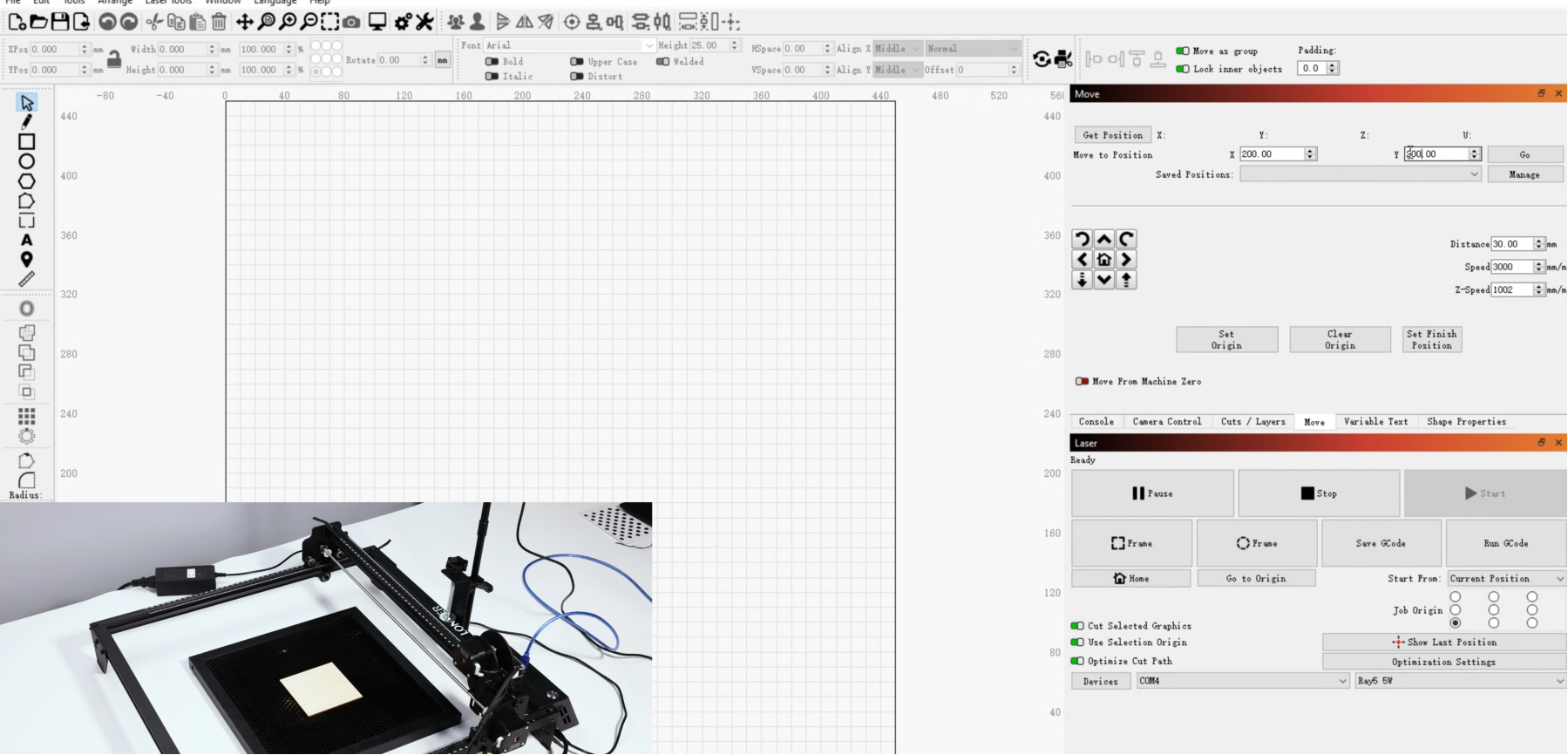
LightBurn Software Operation and setupLightBurn is a professional software for engraver, a charging software running on Windows, macOS, and Linux. It provides a trial period. You could pay for it afterward if you like it.
a.Find Lightburn software in SD card(path: /software) came with the package. Or just download from the link:https://lightburnsoftware.com/download/
b.After installing Lightburn, power up the RAY5, press the Power Switch button, and connect the laser engraver and computer via USB cable.
c.For the first time launching LightBurn, it will prompt a “New Device Wizard” for help you setup machine.
d.Select GRBL form the list, then click “Next” button
Alt image


e.Select Serial/USB and press “Next” button.


Alt image


f.Fill your Device Name, X, Y axis, then click “Enter” button
Name: RAY5
X = 400
Y = 400
g.Select “Front Left” as your Origin X,Y and activate “Auto ‘Home’”, then click “Next” button.
Alt image


h.Select RAY5 and press Make Default. Your RAY5 is ready to be used in LightBurn software.
Main interface
Alt image


Select correct port(depends on your PC), then the RAY5 is connected to the computer.
Alt image


Click Menu “File” >> “Import image from disk.” Or just use draw tool on left column to design your own pattern
Alt image


Set the name, speed, maximum power, mode, and other parameters in the cutting/layer; (engraving function and cutting function are only different in speed, power. Normally, the cutting speed parameter is slower)
Alt image


After placing the board under the laser, click Frame to check the laser path whether is completely inside of the board.
Click “Start” to start to work.
Or you can save gcode file to SD card by click “Save GCode” button in Laser panel for offline working
Alt image


More help information about lightburn, please refer to the link: https://lightburnsoftware.com/pages/tutorials
APP Operation
RAY5 can be controlled or engraved through MKSLaser APP when the engraver and APP are connected to the same WIFI.
Please search for "MKSLaser" in Google play or app store or visit the address below to download Android system https://play.google.com/store/apps/details?id=makerbase.com.mks laser
Please search for "MKSLaser" in the app store or visit the address below to download https://apps.apple.com/us/app/mkslaser/id1542756280?uo=4&at= 11l6hc&app=itunes&ct=fnd for Apple system
Alt image

LaserBurn significantly improves the usability and accessibility of LONGER laser engraving machines by bringing core controls directly to mobile devices. Combined with traditional software options like LaserGRBL and LightBurn, users can choose the most suitable workflow for their skill level and project requirements.

Whether you are a beginner exploring laser engraving or a professional managing detailed production work, LaserBurn provides a more intuitive and efficient way to operate LONGER machines.

By Laser Engraver Blogs | April 7, 2024
Longer Ray5 20W Laser Engraver: Unveiling the Magnificence of Innovation

The Longer Ray 20W laser engraver stands as a testament to the relentless pursuit of innovation, born out of years of dedicated research and development. Longer spared no expense in exploring the frontiers of laser engraving technology, channeling substantial funds and countless hours into perfecting every aspect of the machine.


The Challenge of Longer Ray5 20W

The path to developing the Ray5 20W laser engraver was not without its challenges. LONGER's team of engineers and researchers encountered numerous obstacles along the way, from technical hurdles to logistical complexities. Yet, with unwavering determination and boundless creativity, they persevered, turning each setback into an opportunity for growth.


One such memorable moment occurred during the refinement of the engraving speed. As the team sought to push the boundaries of what was possible, they faced setbacks in achieving the desired level of precision without compromising on efficiency. However, through tireless experimentation and collaboration, they eventually achieved a breakthrough, culminating in the RAY5 20W laser engraver's exceptional engraving speed of up to 10,000mm per minute.


Another pivotal moment came in the development of the color engraving feature. LONGER's engineers embarked on a quest to unlock the potential of vibrant color engraving, seeking to transcend the limitations of traditional black and white engraving. Through meticulous calibration and innovation, they succeeded in creating a proprietary 256-bit color scale, ushering in a new era of expressive engraving possibilities.


Features of Longer Ray5 20W

Discover why the LONGER RAY5 20W laser engraver stands out as the top choice for both laser engraving enthusiasts and professionals alike. Here's why the RAY5 20W is the ultimate solution for your engraving needs:


  1. Unparalleled Color Engraving Performance: Experience the brilliance of color engraving with our self-developed 256-bit color scale. Bid farewell to monotonous black and white engraving and step into a vibrant world of color.


  1. Precision Redefined: With an engraving capability of 0.01mm, the RAY5 20W laser engraver delivers unmatched accuracy. Achieve intricate and precise engraving results like never before.


  1. Enhanced Eye Protection: Our laser head features professional shielding that filters out over 95% of laser light. Additionally, we provide anti-laser glasses to ensure your safety and well-being during operation.


  1. Lightning-Fast Engraving: Experience engraving speeds of up to 10,000mm per minute – nearly three times faster than conventional machines! Save valuable time and boost productivity with swift engraving capabilities.


  1. Ideal for Hobbyists and Startups: Whether you're a hobbyist exploring your creative passion or a budding entrepreneur launching a small-scale business, the LONGER RAY5 20W laser engraver is tailor-made for you. Versatile and efficient, it caters to a wide range of engraving needs.


Why Choose Longer Ray5 20W

In essence, the LONGER RAY5 20W laser engraver offers unparalleled performance, precision, safety, and efficiency, making it the ultimate tool for unleashing your creativity and enhancing your production capabilities. Choose the RAY5 20W Laser Engraver and elevate your engraving experience to new heights!


Join us on this journey of innovation and discovery with the LONGER RAY5 20W laser engraver, and unlock new realms of creativity and production. Choose the RAY5 20W Laser Engraver and embark on a journey of limitless possibilities!

By Laser Engraver Blogs | April 7, 2024
Exploring the Principle, Development, and Applications of Infrared Lasers

Infrared lasers are key optical devices in modern photonics, playing an essential role in communication, medicine, industry, military systems, and scientific research. As a core technology in laser processing, infrared lasers enable high-precision energy delivery and have become foundational tools in advanced manufacturing.

Leveraging deep expertise in laser systems, LONGER has been actively engaged in laser engraving technology research and development since 2016. Over the past 8 years, the company has continuously advanced optical design and system integration, delivering a diverse portfolio of high-precision laser engraving machines, ranging from desktop-level devices to industrial-grade solutions.

LONGER laser engravers, including the high-speed RAY5 series and the high-power B1 series, reflect years of engineering optimization and innovation. These systems are widely recognized for their stability, precision, and performance across various application scenarios.

1. Principle of Infrared Lasers

Stimulated Emission

Infrared laser operation is based on the principle of stimulated emission. In the active medium (solid, gas, or semiconductor), atoms or molecules are excited to higher energy states. When an incoming photon interacts with an excited particle, it triggers the release of a second photon with identical energy, phase, direction, and frequency. This process results in coherent light amplification, forming the basis of laser generation.

Optical Resonance

A laser cavity, composed of two mirrors (one fully reflective and one partially reflective), enables optical resonance. Light reflects back and forth within the cavity, repeatedly interacting with the gain medium. Only photons matching the resonant frequency are amplified, while others are suppressed. This selective feedback mechanism produces a highly coherent and directional laser beam.

2. Development of Infrared Lasers

Early Stage (1960s)

Initial infrared laser research focused on gas and solid-state lasers, such as CO₂ lasers. Although these systems demonstrated early success, they were limited by large size, high energy consumption, and high production costs.

Rise of Semiconductor Lasers (1970s–1980s)

Advances in semiconductor technology led to compact, efficient, and cost-effective infrared semiconductor lasers. These devices significantly expanded laser applications, especially in optical communication and medical systems.

Modern Development (1990s–Present)

Continuous technological improvements have greatly enhanced infrared laser performance. Today, they are widely used in:

  • High-speed fiber-optic communication systems
  • Medical laser surgery and diagnostics
  • Military targeting, guidance, and infrared imaging systems
  • Industrial precision processing

Infrared lasers have become a core enabling technology across multiple industries.

3. Applications of Infrared Lasers

Communication

Infrared lasers serve as key light sources in fiber-optic communication, enabling high-speed, long-distance data transmission. They are also used in optical modulation and wireless infrared communication systems.

Medicine

In healthcare, infrared lasers are widely used in surgical procedures, ophthalmic treatment, dermatology, and diagnostic imaging technologies such as OCT (Optical Coherence Tomography), providing high precision and minimally invasive solutions.

Military

Infrared laser systems are critical in target tracking, missile guidance, night vision, and infrared imaging technologies, significantly improving detection accuracy and operational efficiency.

Scientific Research

Infrared lasers are essential tools in spectroscopy, atomic physics, chemical analysis, and optical experimentation, enabling precise measurement and material characterization.

Industrial Processing

Infrared lasers are extensively used in cutting, welding, engraving, drilling, and surface treatment of materials such as metal, plastic, glass, and ceramics, significantly improving manufacturing efficiency and product quality.

4. Conclusion

Infrared laser technology plays a fundamental role in modern scientific and industrial development. Its principles of stimulated emission and optical resonance enable highly precise and controllable energy output, supporting a wide range of advanced applications.

With strong capabilities in optical system design and engineering, LONGER continues to advance infrared laser technology through continuous innovation and product development. The company’s laser engraving systems reflect a deep understanding of laser physics and real-world application needs, setting new standards in precision, reliability, and performance.

As laser technology continues to evolve, infrared lasers will remain a critical driver of innovation across industries. LONGER is committed to advancing this field through sustained research and development, empowering users with more efficient, precise, and intelligent laser solutions for the future.

By Laser Engraver Blogs | April 7, 2024