Laser Engraver Blogs

Home use laser engraver LONGER Ray5 and LaserB1 series

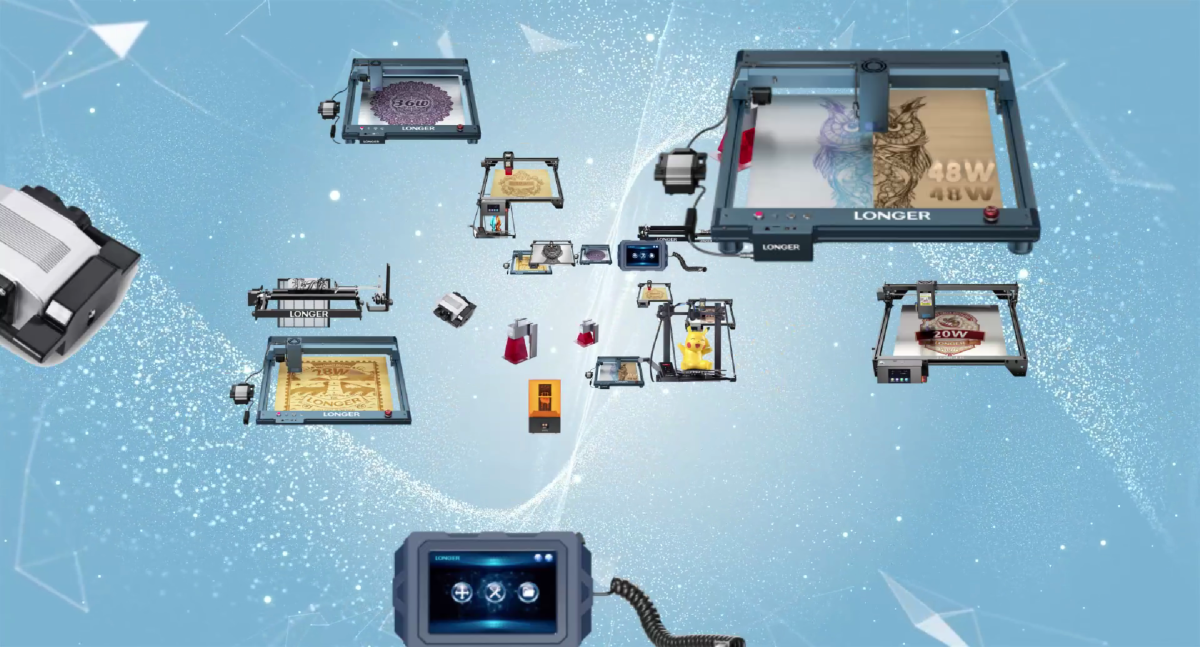
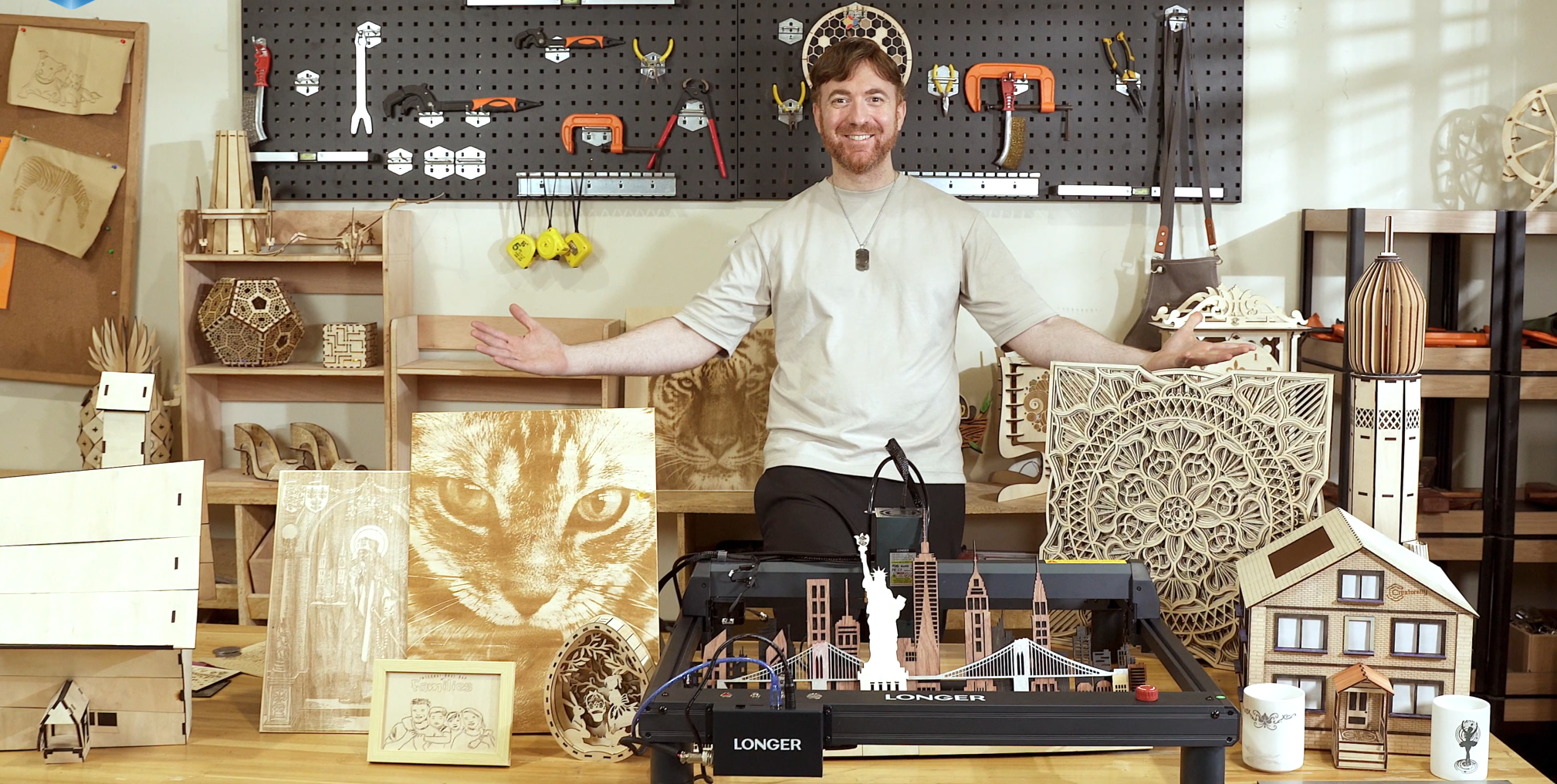
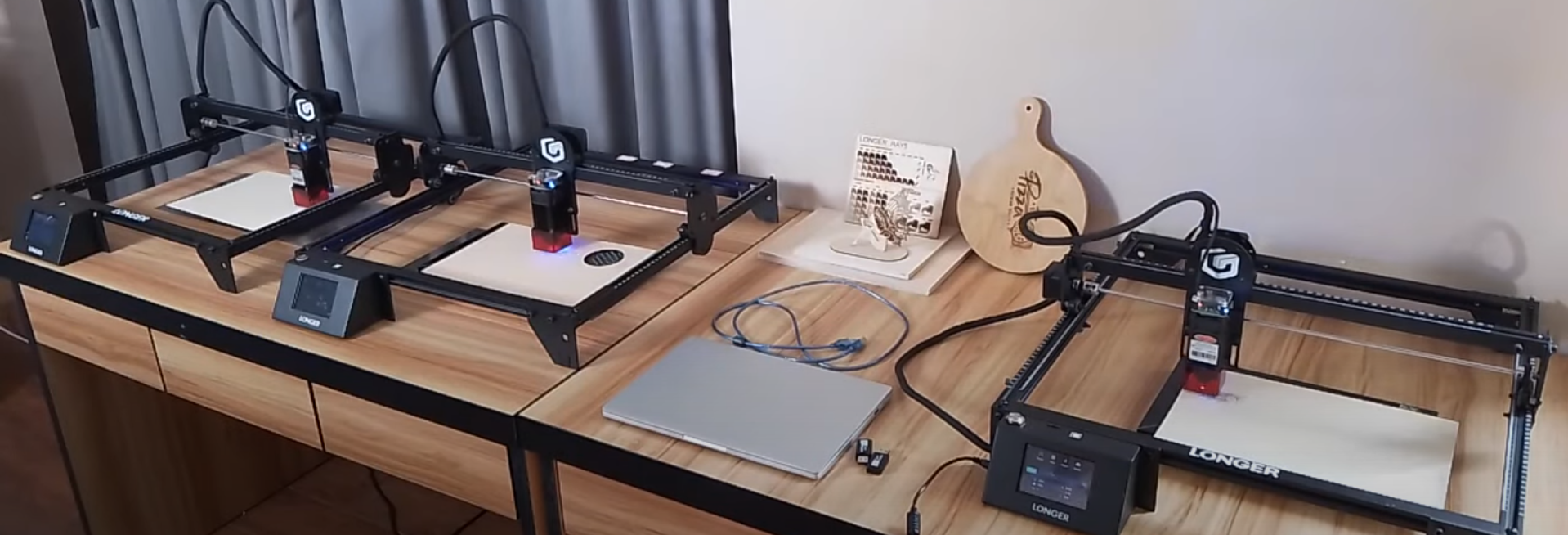
Home users opt for LONGER laser engraving machines due to the combination of quality and affordability. LONGER has dedicated 8 years to professional research in laser engraving machines and 3D printers. The two co-founders are Ph.D. graduates from MIT and Georgia Tech, respectively, leading a team of researchers from top universities worldwide. Committed to harnessing cutting-edge technology, LONGER strives to produce the highest quality products at the best value for customers. Despite this commitment to excellence, LONGER operates with minimal profit margins, prioritizing customer satisfaction and affordability above all else.

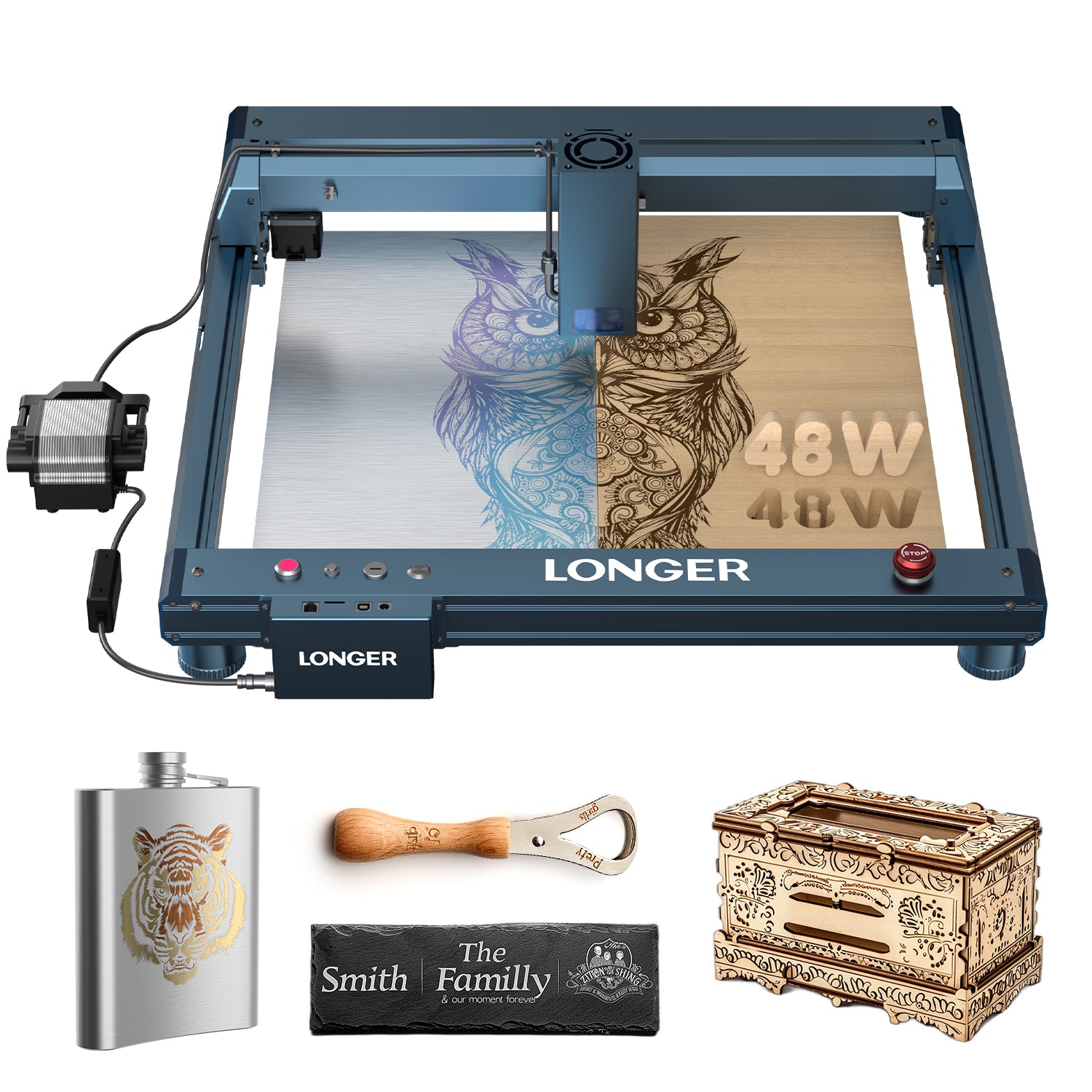
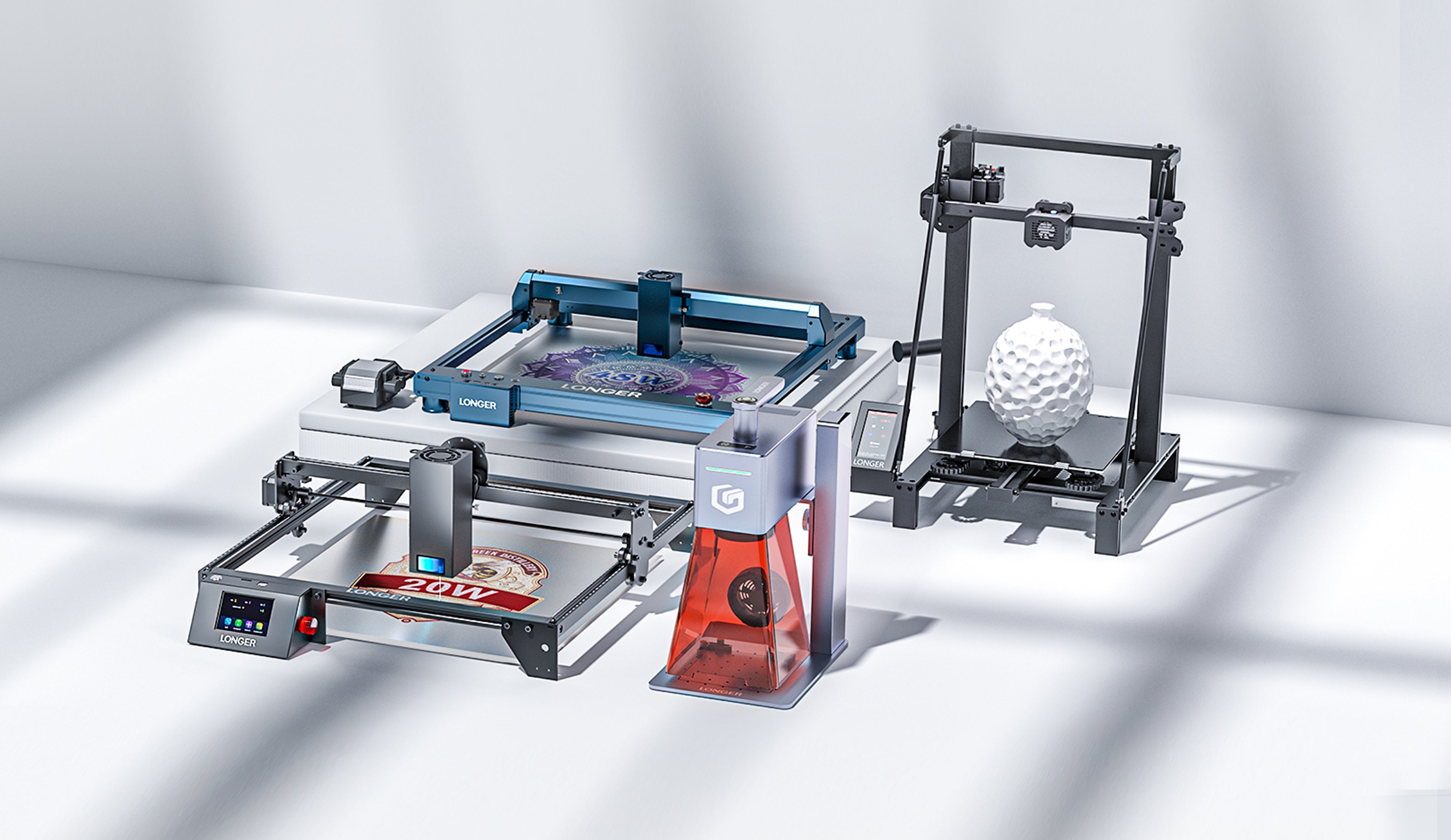
LONGER offers a range of laser engraving machines with different power levels, from the RAY5 5W to 20W, LaserB1 20W to 40W model. The power level of the laser is directly correlated with the speed of engraving or cutting, allowing users to adjust settings to achieve optimal results for their projects. One of the key features of LONGER laser engraving machines is their compatibility with a wide range of materials, including wood, fabrics, metal, paper, and anodized aluminum. However, it's important to note that materials like PVC should be avoided due to the emission of toxic fumes during engraving. 

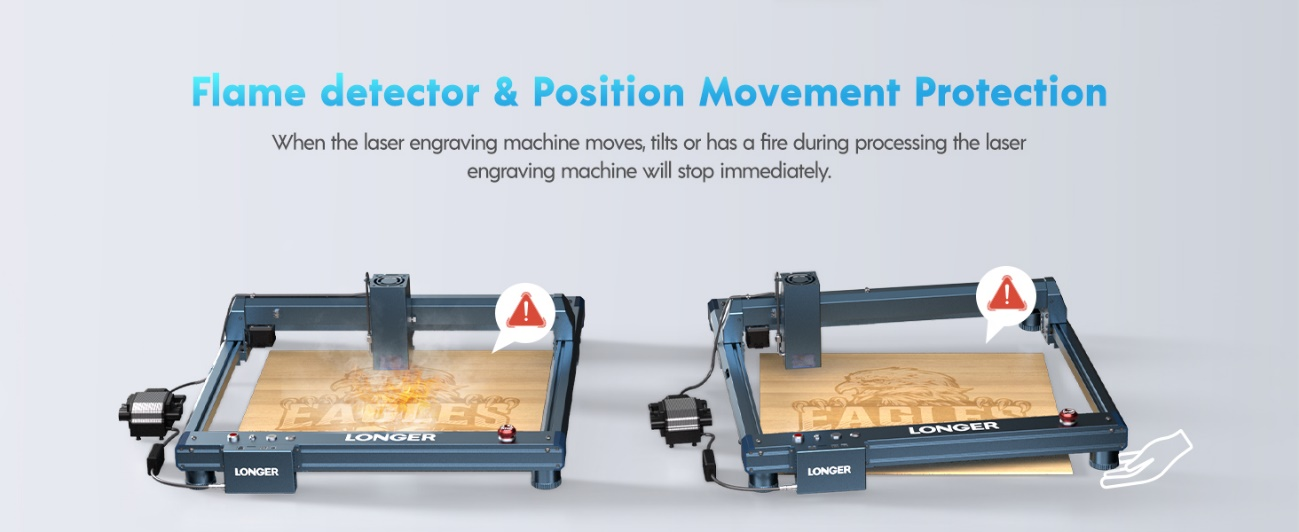
These machines are capable of working with various materials such as metals, wood, and plastics, offering precise engraving with minimal setup time. LONGER’s machines are equipped with high-precision technology, enabling users to create intricate patterns, detailed lines, and precise shapes with 100% accuracy. Additionally, LONGER laser engraving machines come with user-friendly software that supports various file formats and allows for easy connectivity via USB or wireless interface. Safety measures are also incorporated into the design of LONGER machines, including safety covers, emergency stop buttons, and protective interlocks to prevent accidents during operation.


Conclusion

Despite their numerous benefits, it's essential to acknowledge the limitations of home laser engraving machines compared to industrial-grade equipment. However, for hobbyists, artists, and small businesses, LONGER laser engraving machines offer a cost-effective solution for exploring creative opportunities, provide home users with quality, affordability, precision, and ease of use, making them ideal for a wide range of engraving and cutting projects. With their versatility and user-friendly features, these machines open up a world of creative possibilities for enthusiasts and professionals alike.


By Laser Engraver Blogs | April 17, 2024
LONGER Research: How to choose Laser Engraving Efficiency

When it comes to choosing a laser engraving machine, the power output plays a crucial role in determining the efficiency and quality of the results. At LONGER, we offer a diverse range of laser engraving machines tailored to different power requirements, ensuring that there's an option to suit every need. From the compact yet versatile Ray5 series, available in 5W, 10W, and 20W models, to the robust and high-powered LaserB1 series, offering 20W, 30W, and 40W variants, our lineup caters to a wide spectrum of applications. Let's delve deeper into the unique opportunities and advantages offered by each of these options.


The RAY5 10W laser engraver is a versatile option, ideal for working with textured materials such as leather, paper, and thin plastic surfaces. Despite its lower power output compared to the B1 model, it still delivers excellent engraving capabilities for creative projects. Like other LONGER models, it comes with free shipping in the US and EU, providing convenience for customers.


On the other hand, the Long Time B1 30W Laser Engraving Machine offers a balanced power output of 30W, sitting between the B1 40W and RAY5 10W models. It's suitable for printing on materials like wood, acrylic, and rubber, offering manufacturers versatility in their applications. With a good compromise between speed and accuracy, this model delivers reliable performance. 


Choosing the right LONGER laser engraving machine based on power output is essential for boosting productivity and achieving desired results. Whether you need more power for faster engraving or less power for intricate designs, LONGER offers the options you need


When considering the optimal power output for a LONGER laser engraving machine, it's essential to evaluate your specific requirements, the materials you'll be working with, and the desired outcomes. LONGER offers a diverse range of laser engraving machines to suit various needs, including the Ray5 series with power options ranging from 5W to 20W, and the LaserB1 series with power options ranging from 20W to 40W. By carefully considering these factors and conducting thorough research, you can ensure that the machine you choose aligns perfectly with your needs. If possible, testing the machine before making a purchase can provide valuable insights into its suitability for your projects.


Conclusion

When selecting the best laser engraving machine for your needs, consider factors such as material compatibility, engraving speed, efficiency, depth, intensity, versatility, and cost. While higher power outputs can increase productivity, they may also impact engraving quality and precision. Evaluate the depth and intensity of the engravings you require, as higher power outputs are typically better suited for deep engravings with high contrast.

By Laser Engraver Blogs | April 16, 2024
LONGER Research: The Evolution of Laser Engraving Machines

With the continuous advancement of science and technology and changes in market demand, laser engraving technology has gradually developed from its initial industrial application into a popular personal manufacturing tool. This article will trace the evolution of laser engraving machines, from the initial large-scale industrial equipment to today's personal equipment, and explore its development and application at different stages.


Industrial application era

In its infancy, laser engraving technology found its primary application in industrial settings. These early incarnations of laser engraving machines were typically large-scale, boasting formidable power and exceptional precision. As such, they found widespread use in industries such as metal processing, automotive manufacturing, and electronic equipment production. However, their adoption was hindered by significant barriers, including the substantial investments required for procurement and the need for skilled technical teams to operate and maintain them. These factors combined to restrict their utilization to a relatively narrow range of applications, thereby limiting their potential impact across industries.


Miniaturization trend

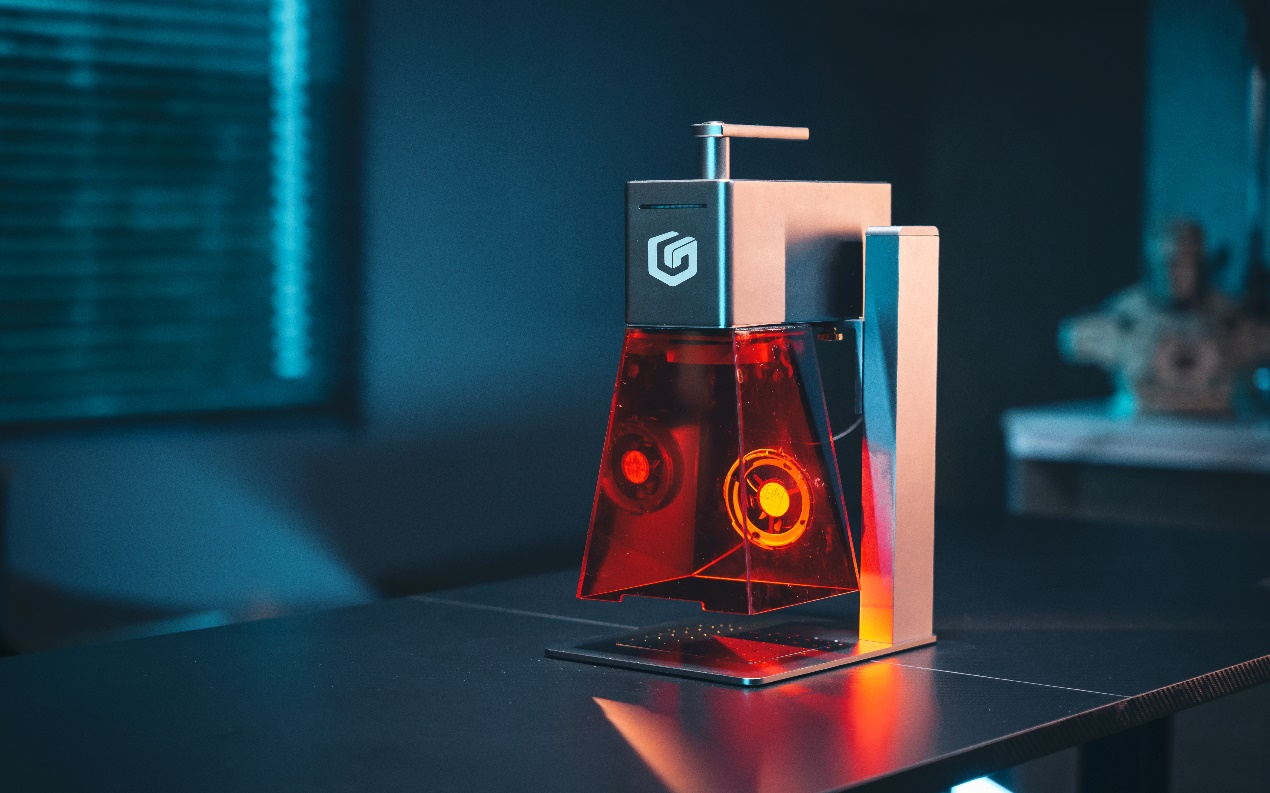
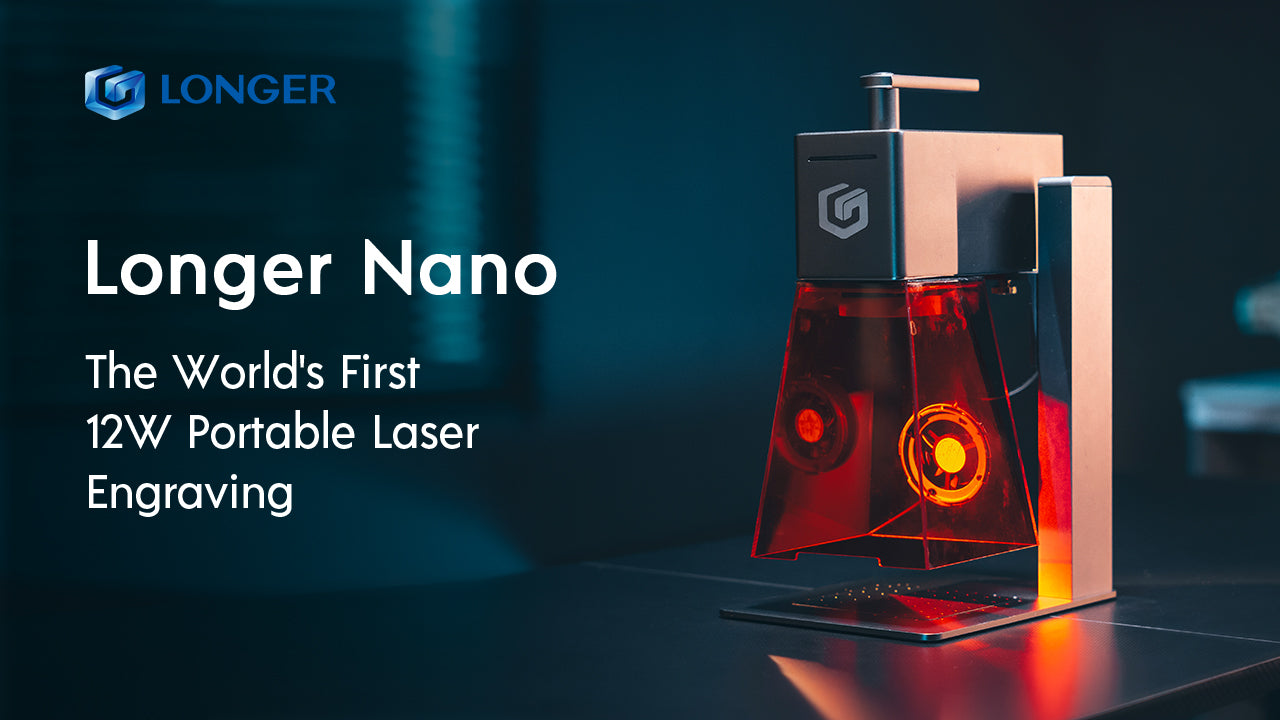
With the continuous development of technology and the gradual reduction of costs, laser engraving technology has begun to develop in the direction of miniaturization. More and more manufacturers have launched small laser engraving machines, making this technology gradually enter the homes and studios of ordinary consumers. These small devices are usually more affordable, smaller in size, and easier to operate, providing new possibilities for personal creative production. The emergence of devices like the Longer Nano portable laser engraving machine exemplifies this trend, offering lightweight, user-friendly tools tailored to personal creative endeavors. The Longer Nano portable laser engraving machine is a lightweight, user-friendly personal creative tool, make it a great choice for beginners entering the world of laser engraving.


The rise of personal manufacturing

With the rise of the personal manufacturing movement, laser engraving machines have gained further popularity as an important tool. More and more artists, designers, production enthusiasts and educational institutions are starting to use laser engraving machines to realize their creative ideas. These personal devices often have a good user interface and operating experience, and can meet a variety of creative needs, ranging from simple woodworking products to complex works of art.


Driven by community and open source spirit

In addition to personal devices launched by commercial manufacturers, the open source community is also promoting the popularization and development of laser engraving technology. More and more open source projects and communities are sharing the design drawings, control software and technical information of laser engraving machines, allowing more people to make their own laser engraving machines or customize more powerful equipment. This open community and open source spirit provides new impetus and possibilities for the innovation and development of laser engraving technology.


Conclusion

Laser engraving machines have undergone a remarkable evolution, evolving from their origins as large-scale industrial equipment to becoming indispensable tools in personal manufacturing. Over the past eight years, LONGER has been at the forefront of researching and refining laser engraving technology, driving innovation and accessibility in the field. Looking ahead, laser engraving technology is poised to continue its ascent, bridging the worlds of personal creativity and industrial production. With its ever-expanding repertoire of applications and the boundless opportunities it presents, laser engraving technology is set to play an increasingly pivotal role in shaping the future of manufacturing and creative expression. We invite you to experience the transformative changes in laser engraving machines with LONGER.

By Laser Engraver Blogs | April 15, 2024
LONGER LASERB1 40W : Business Opportunities in Personalized Consumer Market

Laser engraving machines, as an efficient and precise product of modern technology, are gradually gaining attention from entrepreneurs. So how can you achieve business success with a laser engraver? In this article, we will take the LONGER LaserB1 40W as an example, to provide you with an in-depth analysis, to seize the opportunity of the personalized consumer market.


The rise of personalized consumption

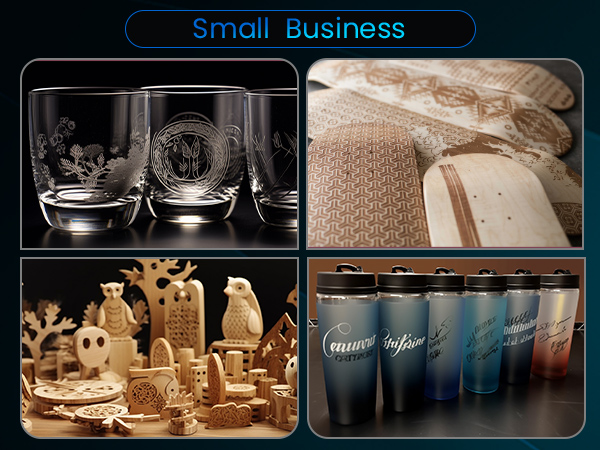
In today's consumer-driven market, the desire for personalized products is on the rise, driven by individuals seeking to express their unique tastes and preferences. The LaserB1 40W laser engraving machine caters to this demand by offering the capability to engrave personalized patterns and text on a diverse range of materials. Whether it's custom designs on wooden plaques, intricate artwork on metal surfaces, or personalized messages on glassware, the LaserB1 40W delivers with impressive precision, boasting an accuracy of 0.01mm. Moreover, its high-speed engraving capability, reaching up to 36,000 strokes per minute, ensures efficient production without compromising on quality. With the LaserB1 40W, consumers can transform ordinary items into cherished keepsakes that reflect their individuality, making it the perfect choice for anyone looking to add a personal touch to their belongings.

Wide range of applications

The LaserB1 40W isn't just limited to artwork and gifts; its versatility extends to various industries, including packaging, signage, architectural modeling, and more. This opens up a wide array of opportunities for entrepreneurs seeking to venture into different sectors. For instance, imagine using the LaserB1 40W to create custom-designed packaging for boutique products, eye-catching signs for businesses, or intricate architectural models for presentations. The possibilities are endless, allowing entrepreneurs to tailor their business ventures to their interests and the demands of the market. Whether you're passionate about design, marketing, or engineering, the LaserB1 40W offers a versatile platform to turn your ideas into profitable ventures. With its broad market applications, entrepreneurs can explore different niches and industries, ensuring flexibility and potential for growth in their business endeavors.

Technological innovation to help

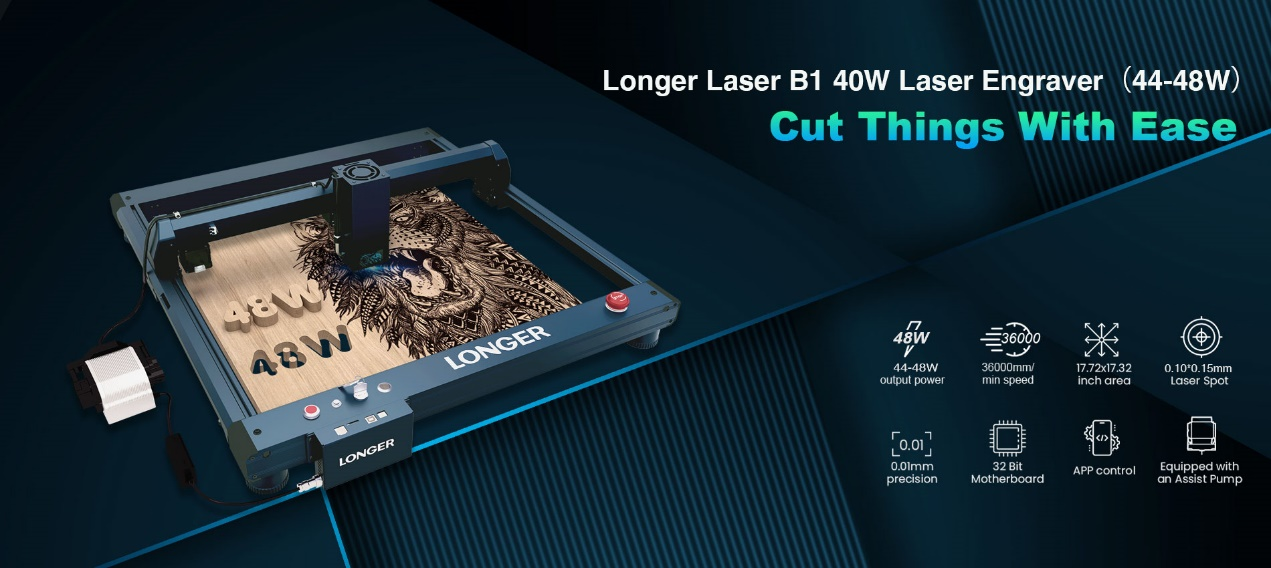
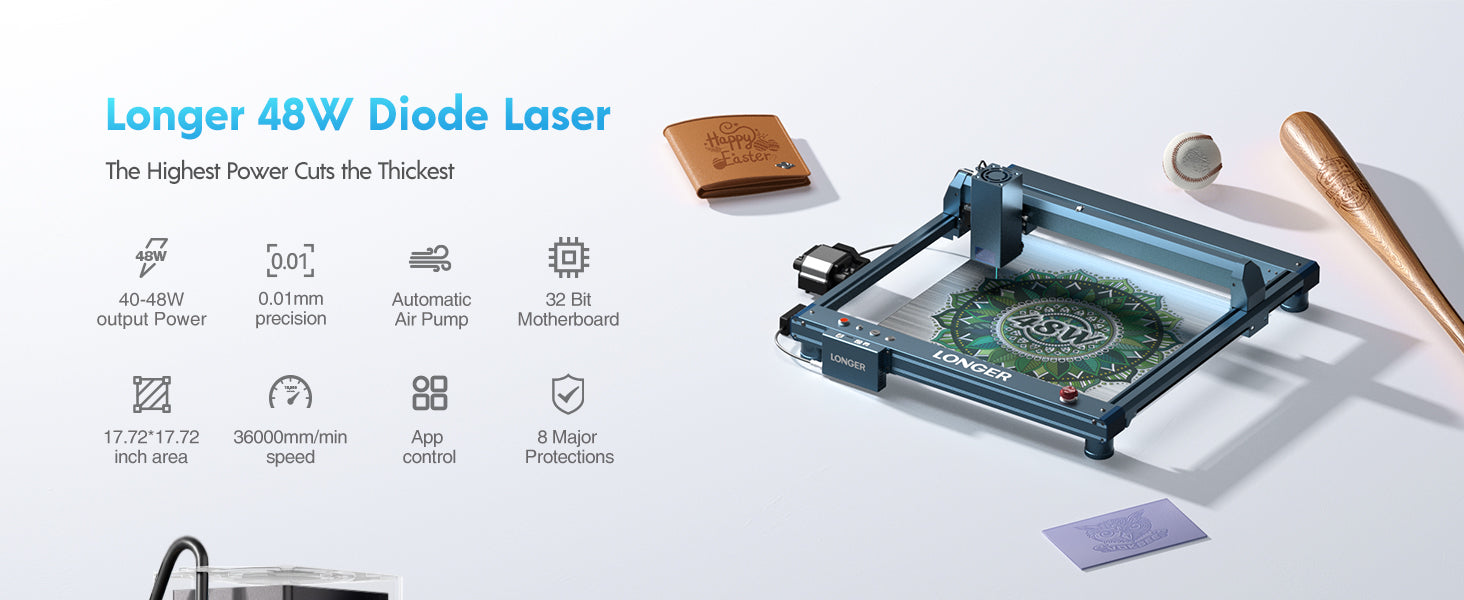
With the continuous development of laser technology, laser engraving machine performance and functionality is also constantly improving. LaserB1 40W is an 8-core diode 44-48W power laser. The laser engraving machine increased by 20% of the cutting capacity, and the highly concentrated laser beam increased by more than 20% of the cutting capacity, can cut 40 mm basswood and 50 mm acrylic through multiple channels 17.72 x 17.32 " (450 x 440 mm) engraving area, especially suitable for A3 panel engraving. The 32-bit chipset is equipped with an intelligent air-assisted system automatically controlled by Lightburn8, major safety protection, and a sturdy frame. Entrepreneurs can take advantage of these technological innovations to provide better quality services and products and enhance competitiveness.
 

Learning and mastering the technology

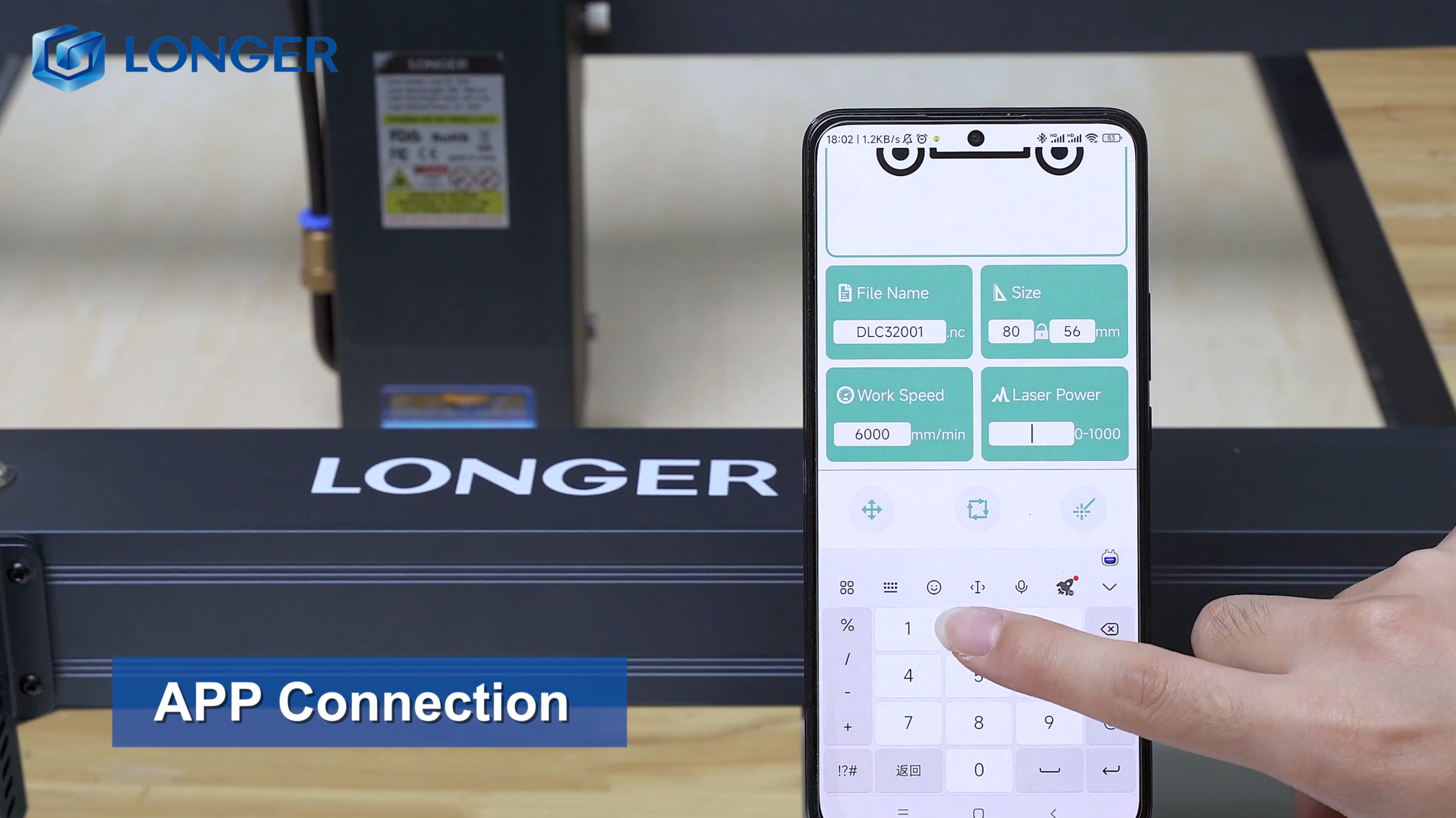
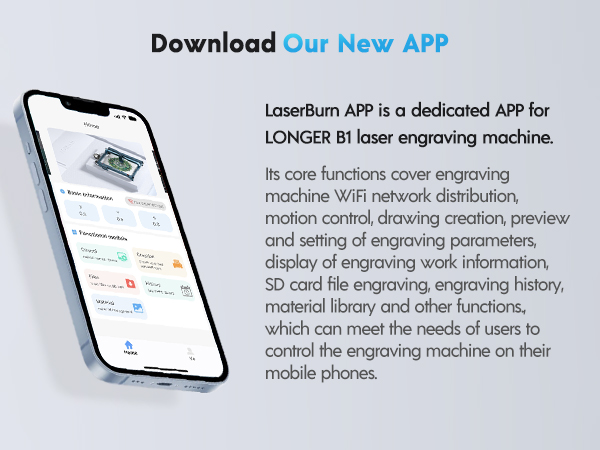
Laser engraving technology is high-end but not difficult to master. Entrepreneurs can quickly learn and master the laser engraving technology by attending training courses, reading related books, watching online tutorials, etc. You can also use LaserBurn, an APP developed by LONGER team, to make it easier and faster for you to get started. At the same time, pay attention to industry trends and technological innovation, and constantly improve their technical level.
 

Conclusion

As laser engraving machine entrepreneurs, to maintain a keen sense of market insight and innovation. By constantly developing new technologies and launching new products, we can lead the industry trend and meet the changing market demand. This will bring more business opportunities and development momentum for entrepreneurs. We believe that with your efforts and the assistance of LaserB1 40W, the road to starting a laser engraving machine business will be full of unlimited possibilities. LONGER will also continue to innovate and bring you more and better products!

By Laser Engraver Blogs | April 15, 2024
LONGER Research: Comparative Analysis of Red and Blue Laser Engraving

With the continuous advancement of technology, laser engraving technology has become an increasingly popular process. There are many types of laser engravers, including portable laser engravers and traditional desktop models. Convenience is an important consideration when choosing which type of laser engraver to use. This article will compare these two types of conveniences to help readers better understand their pros and cons.


Portability

Portable laser engraving machines obviously have advantages in terms of portability. They are usually smaller and lighter than traditional desktop models and can be easily carried to different places for use. Whether in the studio, at a trade show or at an outdoor event, portable laser engraving machines can be quickly deployed and put into use. This portability allows users to use laser engraving technology more flexibly to realize creative expression and production anytime and anywhere.


In comparison, traditional desktop models are often bulky and need to be fixed in one place for operation. While desktop laser engravers typically have larger work areas and more power, their mobility is greatly limited. Users need to transport materials to where the laser engraver is located, which can add time and cost, especially for projects that require handling large materials.


Setup and operation


Portable laser engraving machines are generally designed to be simpler and easier to use, making them relatively easy to set up and operate. They often come with simple and intuitive interfaces and operating guides that allow even inexperienced users to get started quickly. Additionally, due to their compact design, portable laser engravers typically require fewer installation and adjustment steps and can be put into use more quickly.


In comparison, traditional desktop models may require more time and skill to set up and adjust. Due to its complex structure and functions, users may need to spend more time learning and becoming familiar with the operating procedures. In addition, since desktop laser engraving machines usually have more functions and parameter setting options, users may need more technical knowledge to adjust and optimize to achieve the desired engraving effect.


Applicable scene

Portable laser engraving machines are suitable for scenarios that require flexible movement and rapid deployment. For example, artists can use portable laser engraving machines in different studios, exhibition venues or outdoor events to realize their creative ideas. In addition, portable laser engraving machines are also suitable for education and training fields, where students and teachers can easily carry the equipment for teaching and practical operations. Additionally, our Longer Nano boasts a powerful 12W of power and a fast speed of 2200mm/s, ensuring fast and efficient performance.


The traditional desktop laser engraving machine is more suitable for scenarios that require long-term continuous work and large-scale projects. For example, manufacturing companies may prefer to use desktop laser engraving machines to achieve mass production and efficient processing. Additionally, due to their larger work area and greater power, desktop laser engravers can often handle projects of larger sizes and thicker materials. Longer laser engravers are available on the desktop, such as the LaserB1 series and Ray5 series


Conclusion


In conclusion, Longer's portable laser engravers offer unparalleled advantages in terms of portability, flexibility, versatility, ease of use, and time-saving capabilities. These devices empower users to unleash their creativity and achieve superior engraving results with convenience and efficiency, making them an indispensable tool for various applications and industries.

By Laser Engraver Blogs | April 12, 2024
LONGER Research: Portable Laser Engravers vs. Traditional Desktop Models

In today's era of rapid technological development, laser technology has become an important part of many fields. In laser technology, red laser and blue laser have always been the focus of attention. The contrast between them is not only the difference in color, but also the unique characteristics and advantages displayed in different application fields. Let us explore the comparison between red laser and blue laser and explore their different charms in the world of technology.


Wavelength


When we take a closer look at red lasers and blue lasers, their wavelength differences are not just differences in color, but also reflect differences in the energy and properties of light. The wavelength of red laser light is at the longer end of the visible spectrum, typically between 800 and 1064 nanometers, which gives it its bright red color. In contrast, blue laser has a shorter wavelength, approximately between 445 and 500 nanometers, which causes it to appear a deeper blue color. This difference in wavelength determines their position in the spectrum and corresponding energy levels. Blue laser has a higher energy density due to its shorter wavelength, which makes it uniquely advantageous in certain applications


Manufacture


In addition to differences in wavelength and application fields, red lasers and blue lasers also differ in the manufacturing and cost of laser devices. Because blue lasers require more complex manufacturing processes and higher quality materials, blue laser devices are generally more expensive to manufacture than red laser devices. This has also resulted in red lasers being more common in some consumer electronics products, such as laser pointers or laser pointers. Red lasers typically use helium-neon gas, dyes, or specific semiconductor materials that produce light with wavelengths between 800 and 1064 nanometers. In contrast, the main laser material of blue laser is gallium nitride (GaN) semiconductor, which can produce light with wavelengths between 445 and 515 nanometers. There are obvious differences in the laser structure between the generation processes of red laser and blue laser. The laser structure of a red laser can be a gas laser, a dye laser, a semiconductor laser or a solid laser, depending on the laser material used. Helium-neon gas laser is one of the earliest red lasers developed, and semiconductor laser is one of the common types of red lasers. In contrast, blue lasers usually adopt a semiconductor laser structure, mainly using semiconductor materials such as gallium nitride (GaN). These different laser structures have an important impact on the performance and application of lasers, such as power output, wavelength stability, and complexity of the preparation process. There are significant differences in the excitation methods of red laser and blue laser generation processes. Red laser can be excited in various ways, including electric shock, beam incidence or chemical reaction. Specifically, helium-neon gas lasers can be excited by electric shock to generate laser light, while dye lasers can be realized by laser beam incidence or chemical reactions. In contrast, blue lasers are typically achieved by electrically or optically injecting semiconductor materials such as gallium nitride. These different excitation methods determine the energy efficiency, stability and complexity of the preparation process of the laser, thereby affecting the performance of red lasers and blue lasers in their respective application fields.


Application


In terms of optical storage, blue lasers are widely used in high-definition optical discs and Blu-ray discs because of their shorter wavelength and higher data density. In contrast, red lasers work in traditional DVDs and CDs. In the medical field, due to the higher energy of blue laser, it has wider applications in laser surgery and laser therapy, enabling more precise treatment effects. Infrared lasers typically operate at longer wavelengths, typically in the 800 to 1064 nanometer range. These longer wavelengths are suitable for engraving or marking materials that effectively absorb infrared light. LONGER Ruby pulsed infrared laser adopts the most advanced technology and an ultra-fine laser spot size of 0.03*0.03mm. Longer Ruby can achieve complex details accurate to millimeters, and perform perfect engraving on metal, plastic and other objects. Blue lasers operate at shorter wavelengths, typically in the 400 to 500 nanometer range. These shorter wavelengths provide higher energy density and are suitable for engraving materials that absorb blue light efficiently. Laser B1 is equipped with an 8-core diode 44-48W power laser, which increases the laser engraving machine's cutting capacity by 20%. The highly concentrated laser beam increases the cutting capacity by more than 20%, and can cut 40mm basswood and 50mm acrylic multiple times. 17.72 x 17.32 inches (450 x 440mm) engraving area, ideal for A3 panels. The engraving speed is as high as 36,000mm/min, equipped with a 32-bit chipset and intelligent air assist system with automatic lighting control, 8 major safety protections, and a solid frame. Designed for advanced users who are proficient in laser engraving and cutting technology, the Laser B1 has superior cutting capabilities and can easily cut through a variety of materials. Whether you're working with wood, acrylic, or metal, the Laser B1 delivers powerful cutting performance for complex projects and ensures efficient, precise results every time. 


Conclusion


In general, red laser and blue laser, as two important representatives of laser technology, each show their unique charm in different fields. Their comparison is not only the difference in color and wavelength, but also the comparison in application fields, cost and performance. With the continuous advancement and development of science and technology, we believe that red lasers and blue lasers will continue to play an important role in their respective fields, bringing more innovation and convenience to mankind. LONGER's laser engraving machines, including the LaserB1 and Ray5 series, come standard with blue laser heads. However, for customers who prefer red lasers, they have the option to purchase our LONGER Ruby laser head for replacement. With 8 years of professional research in laser engraving machines, LONGER is committed to providing customers with high-quality products that offer excellent value for money.

By Laser Engraver Blogs | April 12, 2024
The Power of the Creator: How Portable Laser Engraving Equipment is Redefining DIY Projects

In the trend of technology, a portable laser engraver is like a magician who breathes new life into DIY projects. It is not only a tool, but also a catalyst for innovative thinking, and the LONGER Nano laser engraver is one of the best of the best, leading DIY projects to new heights with its superb technology and outstanding performance. While LONGER's laser engraving machines, LaserB1 and Ray5, boast powerful functionalities and compact designs suitable for home desktop use, they may not be considered highly portable.

In response to the growing demand for portable options, LONGER decide to research and develop a portable laser engraving machine. Thus, the world's first 12W laser engraving machine, the LONGER Nano, was born. Today, we explore the infinite possibilities of DIY projects with LONGER Nano and make them shine like never before.


Precision and finesse: the charm of laser engraving
LONGER Nano laser engraving machine brings every detail to life with its high precision of 0.02*0.02mm with field mirror and ultra-fast engraving speed of 2200mm/s. Whether it's a complex pattern or subtle text, it can handle it with ease. Its excellent cutting ability can easily cut wood up to 8.5mm thick, showing the unique charm of laser engraving.


Versatility and flexibility: expanding the boundaries of creativity
The LONGER Nano laser engraver can be used on a wide range of materials, such as metal, leather, stone, etc. The Nano can flexibly respond to the needs of creators. Whether it's wood, paper or fabric, the Nano can transform them into beautiful works of art, such as prints, coasters, fabric upholstery and more. This versatility and flexibility give creators more room for creativity.


Intelligence and Convenience: Making Creation Easier
LONGER Nano laser engraving machine adopts intelligent design, the operation is simple and easy to understand, and the engraving APP-LaserBurn developed by the LONGER team makes engraving simpler, even beginners can quickly get started and enjoy the fun of creation. This combination of intelligence and convenience makes DIY projects easier and more fun.


Unlimited Creativity: Stimulating Creators' Imagination
The introduction of laser engraving technology brings endless creative possibilities for DIY projects. the LONGER Nano laser engraver allows creators to turn their imagination into reality, whether in the studio or outdoors, they can use the Nano to make creative artwork anytime, anywhere. Instantly carve new inspirations into wood, metal, leather, denim,and other preferred materials to create one-of-a-kind works of art. The use of this technology not only stimulates the imagination of creators but also pushes DIY projects towards greater diversity and personalization.


Quality Improvement: Creating Fine Works of Art
The high precision and quality of laser engraving technology brings a leap in quality to DIY projects, and the LONGER Nano laser engraving machine makes every detail perfect and creates stunning works of art. This technology not only enhances the quality of the DIY project but also makes the creator's work more collectible.


In Conclusion

With its unique appeal, LONGER Nano is redefining the future of DIY projects. It stimulates creators' imagination, improves the quality of their work ,and lowers the threshold of creation, making DIY projects full of new vigor and vitality. In the future, the LONGER team will continue to promote the research, development ,and application of laser engraving technology to bring technological innovation and economic benefits to various industries and lead DIY projects to a broader and better tomorrow.

By Laser Engraver Blogs | April 11, 2024
Mastering Precision: Essential Tips for Laser Cutting Success

Proper calibration and setup are critical to achieving high-quality results in laser cutting and engraving. Whether you are working with wood, acrylic, fabric, or metal, following correct operating practices ensures accuracy, efficiency, and consistency.

1. Proper Calibration

Accurate calibration is the foundation of successful laser cutting.

This includes:

  • Fine-tuning the cutting bed level
  • Ensuring precise laser beam alignment
  • Verifying correct focal distance and positioning

Consistent calibration throughout operation helps maintain stable cutting accuracy and prevents quality issues.

With LONGER laser machines, precise calibration ensures smooth material processing and clean, professional-grade results. The fixed-focus system also helps maintain consistent cutting depth, reducing the need for frequent manual adjustments.

2. Material Selection Matters

Different materials respond differently to laser energy, making material selection a key factor in performance.

Important factors include:

  • Thickness
  • Density
  • Surface reflectivity

For example:

  • Delicate materials like paper or fabric require lower power settings to avoid burning or scorching
  • Dense materials such as wood or acrylic require higher power and slower speeds for clean cuts

LONGER laser machines provide flexible settings that allow users to adapt easily to different material types.

3. Always Perform Test Cuts

Before starting complex or final projects, test cuts are essential.

Test cutting helps you:

  • Adjust power and speed settings
  • Verify focus accuracy
  • Avoid material waste or damage

For instance:

  • When engraving fine details on metal with the RAY5 20W, test cuts help prevent discoloration or overheating
  • When cutting thick materials like basswood or acrylic with the Laser B1 series, trial runs ensure clean edges and consistent performance

4. Ensure Proper Ventilation

Laser cutting produces smoke, dust, and fumes that may be harmful if not properly managed.

Always:

  • Work in a well-ventilated environment
  • Use an exhaust system or air filtration setup

This protects both the operator’s health and machine performance.

5. Secure Material Placement

To ensure accuracy during operation, materials must be firmly fixed in place.

Recommended methods include:

  • Clamps
  • Double-sided adhesive
  • Custom fixtures

Proper fixation prevents movement, vibration, or misalignment during cutting.

6. Optimize Cutting Parameters

Fine-tuning settings is essential for achieving optimal results.

Adjust:

  • Power
  • Speed
  • Frequency

Balancing these parameters helps reduce:

  • Burning
  • Melting
  • Edge charring

Experimentation is key to finding the best combination for each material.

7. Maintain the Laser Lens

Regular lens maintenance is critical for consistent performance.

Dust or residue buildup can:

  • Reduce cutting accuracy
  • Weaken laser power
  • Affect beam quality

Always clean the lens using manufacturer-recommended methods and replace it when necessary.

8. Use Assistive Technologies

Modern laser systems may include:

  • Camera alignment systems
  • Real-time monitoring tools
  • Smart positioning software

These features improve precision and efficiency, especially for complex or detailed designs.

Conclusion

By following proper calibration, material selection, testing, and maintenance practices, users can achieve highly precise and efficient laser cutting results.

With LONGER laser engraving machines—developed through years of innovation in laser technology—you are equipped with reliable tools designed to enhance creativity, accuracy, and productivity across a wide range of materials and applications.

By Laser Engraver Blogs | April 11, 2024
The Power of Precision: Understanding the Differences Between Red and Blue Laser Engraving Machines

Red and blue lasers are two prevalent choices in the engraving machine market, each equipped with distinct laser heads. These laser heads offer unique performance characteristics and applications. By comprehending the disparities between red and blue lasers, we can make informed decisions to enhance production efficiency and quality. This article delves into the variances between red and blue laser engraving machines, using the LONGER RAY5 20W laser engraving machine and the LONGER Ruby Pulsed Infrared Laser Module as a case study.

Features of red laser engraving machine
Red light laser engraving machines usually use longer wavelength red light as the engraving light source, which has higher penetrating power and larger spot diameter. This makes it excellent at handling thicker materials such as wood, leather, and certain non-metallic materials. In addition, red light laser engraving machines also have high engraving speed and low cost, so they are popular in mass production and rapid prototyping.

Application of red laser engraving machine
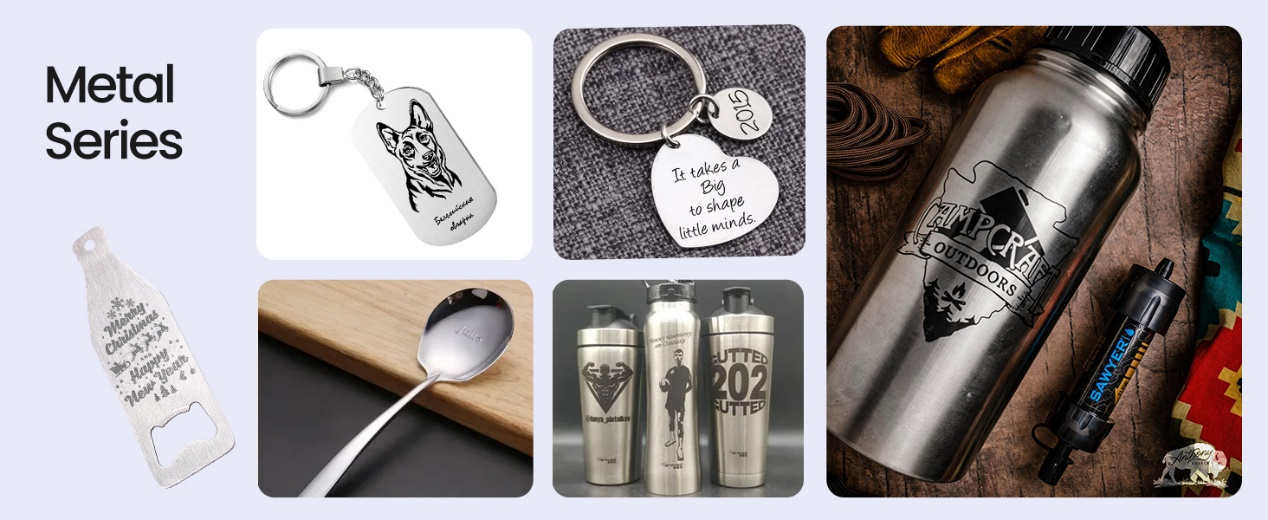
LONGER Ruby PulsedInfrared Laser Module is a red laser head developed by the LONGER team. It uses advanced technology and an ultra-fine laser spot size of 0.03*0.03mm, which can easily achieve complex details down to millimeters, and can be produced on metals, plastics, etc. Perfect carving. LONGER Ruby has unparalleled engraving capabilities from metals and alloys such as iron, copper, aluminum, magnesium, zinc, gold, silver and titanium to other materials such as metal oxides, plated surfaces, ABS, inks and epoxies. When the laser engraving comes to engraving on glass, the choice of LONGER Ruby Pulsed Infrared Laser Module ensures seamless engraving without any tinting, showcasing its remarkable efficiency and speed in completing tasks while maintaining the clarity and precision of the design. Particularly suitable for scenarios requiring processing of thick materials and large-scale production, for instance, in industries like engineering and leather product manufacturing, Ruby Pulsed Infrared Laser Module offer unmatched efficiency in completing engraving tasks, thereby significantly enhancing overall production efficiency.

Features of blue laser engraving machine
Blue light laser engraving machines use shorter wavelength blue light as the engraving light source, with higher resolution and smaller spot diameter. This makes it excellent at handling thin materials such as paper, plastic and metal films. Blue light laser engraving machines also have high engraving accuracy and low heat output, so they have advantages in fine engraving and high-precision cutting.Longer's LaserB1 series and Ray5 laser engraving machines represent prime examples of blue laser engraving technology, maintaining their blue laser functionality without the need for a laser head change.

Application of blue laser engraving machine
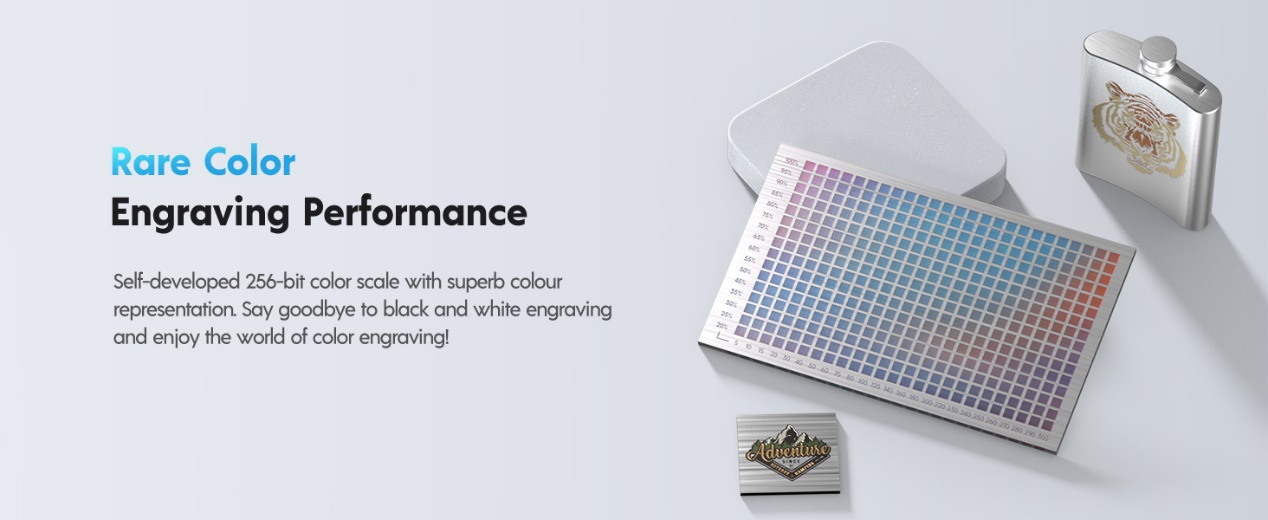
LONGER RAY5 20W  blue light laser engraving machine is a four-core diode laser with 22-24W output power and strong cutting ability. Its ultra-fine 0.08*0.1mm focus and 10000mm/min burning speed can effectively engrave on metal surfaces. Achieve multi-color engraving, and support multiple connection options, such as WIFI, APP, USB and TF card. For scenes that require fine engraving and high-precision cutting, blue-ray laser engraving machines have more advantages. They can easily achieve detailed engraving while avoiding material deformation due to high temperatures. For example, in the electronics industry, precision instrument manufacturing and other fields, blue-ray laser engraving machines can achieve high-precision engraving and cutting to meet product accuracy requirements. In addition, blue light laser engraving machines are also widely used in art production, anti-counterfeiting markings and other fields.

Conclusion

Red light and blue light laser engraving machines each have their own unique advantages and application scenarios. When choosing a laser engraving machine, creators should choose the appropriate model according to specific needs. Understanding the differences between red light and blue light is of great significance for us to choose the appropriate and accessories equipment. With 8 years of professional research in laser engraving machines, LONGER is committed to advancing the research, development, and application of laser engraving technology, delivering technological innovation and economic benefits to various industries. In the future field of laser engraving, the power of precision will continue to lead us to broader application prospects. 


By Laser Engraver Blogs | April 10, 2024
Decoding the differences:portable vs desktop laser engraving machines

Driven by rapid advancements in modern manufacturing technology, laser engraving has evolved from an industrial-grade process into a widely accessible tool for creators, small businesses, and DIY enthusiasts. Today, it is commonly used in product customization, craft production, signage making, and personalized design work.

As the market continues to expand, laser engraving machines have broadly developed into two main categories: portable laser engraving machines and desktop laser engraving machines. While both rely on similar laser technology, they differ significantly in structure, performance, and application scenarios. Understanding these differences is essential for selecting the right equipment for your needs.

Overview of Portable Laser Engraving Machines

Portable laser engraving machines are designed with compactness and mobility in mind. Their lightweight structure allows users to easily transport and operate them in different locations, making them ideal for flexible working environments.

Key Characteristics:

  • Compact and lightweight design
  • Easy to transport and set up
  • Suitable for small-scale or on-site projects
  • Typically lower power output compared to desktop models

Typical Applications:

Portable machines are commonly used for:

  • Personalized engraving on small items
  • Field work or mobile services
  • DIY crafting and hobby projects
  • Small business customization services

Due to their portability, these machines prioritize convenience over heavy-duty industrial performance.

Overview of Desktop Laser Engraving Machines

Desktop laser engraving machines are larger, more stable systems designed for precision, power, and continuous operation. They are commonly used in workshops, studios, and production environments where higher performance is required.

Key Characteristics:

  • Larger working area
  • Higher laser power and cutting capability
  • Greater stability during operation
  • Suitable for long-duration or batch processing tasks

Typical Applications:

Desktop machines are widely used for:

  • Wood, acrylic, and metal engraving
  • Commercial production and batch manufacturing
  • High-precision design work
  • Complex and large-format projects

These machines are designed for users who require higher efficiency, consistency, and material versatility.

Key Differences Between Portable and Desktop Models

Although both types use laser technology, their differences are clear in several key areas:

Size and Mobility

  • Portable: Easy to carry, flexible usage locations
  • Desktop: Fixed installation, requires dedicated workspace

Power and Performance

  • Portable: Lower power, suitable for light-duty tasks
  • Desktop: Higher power, capable of cutting and deep engraving

Precision and Stability

  • Portable: Good for simple engraving tasks
  • Desktop: Higher stability and precision for complex work

Application Scope

  • Portable: Personal use, small-scale customization
  • Desktop: Industrial use, business production, advanced crafting

How to Choose the Right Machine

Selecting between portable and desktop laser engraving machines depends on your specific needs:

  • If you prioritize flexibility, mobility, and simple projects, a portable machine is more suitable.
  • If you require higher power, precision, and production efficiency, a desktop machine is the better choice.

Understanding your workflow, material types, and production goals will help ensure the right investment.

Conclusion

Portable and desktop laser engraving machines each play an important role in the expanding world of laser technology. Portable models bring accessibility and convenience to individual creators, while desktop systems deliver the power and precision required for professional and industrial applications.

As laser engraving continues to develop, users now have more options than ever to match their creative and business needs. Choosing the right type of machine ultimately depends on balancing mobility, performance, and intended application.


By Laser Engraver Blogs | April 10, 2024