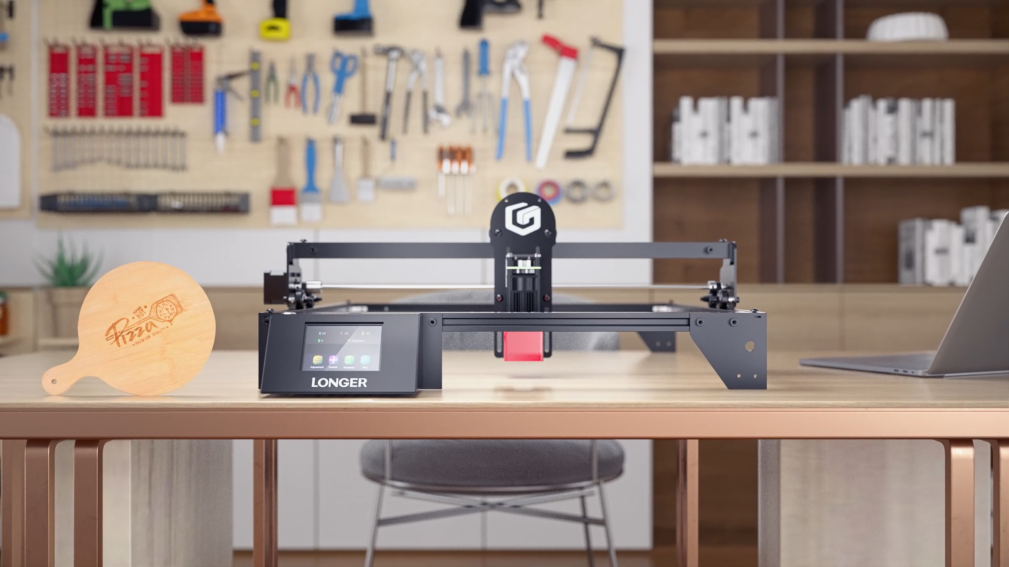
Using LaserBurn multiple work layers is one of the easiest ways to speed up laser projects and combine different operations into one workflow. Instead of running separate engraving and cutting jobs, LaserBurn allows users to create multiple tasks inside a single project using layers.
For Longer B1 users and beginners learning laser workflows, this feature can reduce setup time, improve efficiency, and simplify project management.
Table of Contents
Quick Answer
LaserBurn multiple work layers allow you to assign different operations to different objects inside the same project. Each layer can use its own processing parameters and operation type, such as engraving or cutting, so the machine can automatically complete multiple jobs in sequence during one run. LaserBurn supports up to 10 layers.
What This Guide Covers
This tutorial explains:
- What LaserBurn work layers do
- How to assign multiple layers
- How to combine engraving and cutting jobs
- How Longer B1 processes layer-based tasks
- Common issues and solutions
- Helpful tips for beginners
Why LaserBurn Multiple Work Layers Matter
Laser projects often contain different operations.
For example:
- Engraving logos
- Cutting outlines
- Creating text effects
- Producing multi-color metal engravings
- Combining decorative elements with cut shapes
Without layers, users would typically:
- Run engraving
- Stop the machine
- Reload files
- Reposition materials
- Run cutting
This takes more time and increases the possibility of alignment errors.
With LaserBurn multiple work layers:
- Multiple jobs run continuously
- Material stays in place
- Workflow becomes easier
- Production time decreases
LaserBurn was designed specifically for LONGER laser machines and includes integrated layer management functions.
Before You Start
Requirements
Hardware:
- Longer B1 laser engraver
- Compatible LONGER laser machine
- Suitable engraving material
Software:
- LaserBurn application
- Existing design file or imported artwork
Knowledge:
- Basic LaserBurn navigation
- Understanding of engraving and cutting operations
If additional machine settings are required:
Follow official machine specifications or instructions.
Precautions
Before beginning:
- Verify that the laser is properly focused
- Confirm your material is secured
- Ensure airflow or air assist functions properly
- Double-check object placement
- Review assigned layer settings before starting
Common beginner mistake:
Assigning multiple objects to the same layer unintentionally can apply incorrect processing parameters.
Step-by-Step: How to Use LaserBurn Multiple Work Layers
Step 1: Create or Import Images
Action:
Open the Creation menu and create or import the images you want to process.
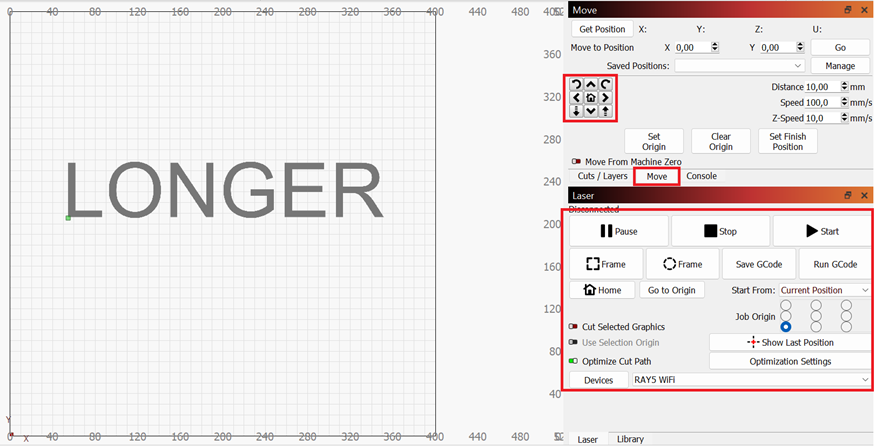
The example workflow uses:
Expected Result:
Both designs appear in the project workspace.
Important Notes:
Objects can be newly created or imported from existing files.

Step 2: Open the Layers Menu
Action:
Locate the Layers menu.
For each imported image, select a different layer.
Click different layer colors to assign unique layers.
Expected Result:
Each object changes color according to its assigned layer.
Important Notes:
Layer colors are visual indicators that help distinguish operations.
LaserBurn supports up to 10 separate layers.

Step 3: Assign Processing Parameters
Action:
Set processing parameters for each layer independently.
Example:
- "Longer" → wood engraving parameters
- "B1" → wood cutting parameters
Expected Result:
Each layer now contains independent settings.
Important Notes:
Different layers can contain:
- Engraving settings
- Cutting settings
- Speed settings
- Power settings
- Processing behaviors
Do not modify settings unless your material specifications require changes.
Follow official machine specifications or instructions.

Step 4: Position Material Under the Laser Module
Action:
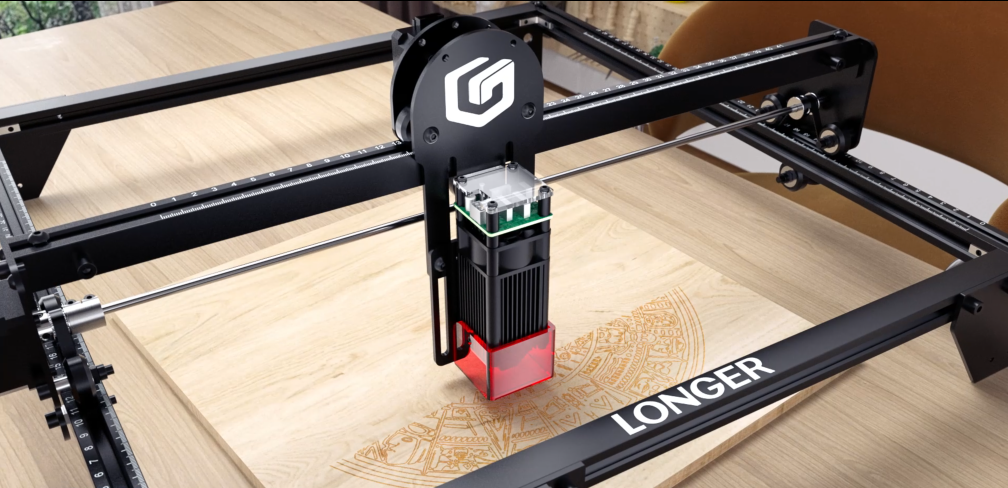
Place the wooden panel beneath the Longer B1 laser module.
Expected Result:
Material is positioned and ready for processing.
Important Notes:
Do not move the material after setup.
Movement may affect alignment between operations.
Step 5: Start the Job
Action:
Start the created project in LaserBurn.
Expected Result:
The machine processes tasks automatically:
- Engraves "Longer"
- Cuts "B1"
The operations run continuously without interruption.
Important Notes:
The machine processes operations according to layer sequence.
Do not interrupt the machine unless necessary.
LaserBurn Multiple Work Layers for Metal Color Engraving
One useful application of multiple layers involves colored metal engraving.
Laser interaction with metal can create different visible colors depending on:
- Laser power
- Speed
- Processing conditions
Multiple layers allow different settings to be applied across sections of the design.
This creates multi-tone visual effects while remaining inside a single project.
If processing metal materials:
Follow official machine specifications or instructions.
Common Problems and Solutions
| Problem |
Requirements |
Solution |
| Objects use identical settings unexpectedly |
Check layer assignment |
Verify objects are assigned to separate layers |
| Design colors do not change |
Review Layers menu |
Reassign layer colors |
| Engraving starts but cutting does not |
Verify operation settings |
Confirm cutting parameters are assigned correctly |
| Alignment appears incorrect |
Material positioning |
Do not move material after setup |
| Wrong parameters applied |
Check selected layer |
Review settings before starting the job |
Tips for Better Results
1. Use descriptive project organization
Name files clearly before saving projects.
Examples:
- Wood_Engrave_Cut
- Metal_Color_Test
2. Keep engraving and cutting separated
Assign different operations to different layers rather than mixing them.
This improves workflow clarity.
3. Start with simple projects
Beginners should first test:
- Text engraving
- Basic cutting shapes
Complex designs can be introduced later.
4. Double-check material placement
Multiple operations rely on consistent positioning.
Even small movements can affect results.
5. Preview work before processing
Review layer assignments and processing order before starting.
Frequently Asked Questions
Q: How many LaserBurn multiple work layers can be used?
A: LaserBurn supports up to 10 layers, allowing up to 10 independent jobs in one project.
Q: How do I use LaserBurn multiple work layers for beginners?
A: Create or import objects, assign different layers using layer colors, and configure parameters separately for each layer.
Q: Can engraving and cutting happen in one project?
A: Yes. LaserBurn can engrave and cut sequentially during the same process.
Q: Can I assign different parameters to each layer?
A: Yes. Each layer supports separate processing settings.
Q: Can multiple layers be used for metal engraving?
A: Yes. Multiple layers can help create varying engraving effects on metal materials.
Q: Why are all my objects using the same settings?
A: Objects may have been assigned to the same layer accidentally.
Q: Is LaserBurn available for LONGER laser machines?
A: LaserBurn is designed specifically for compatible LONGER laser engravers.
Related Tutorials
For building a complete LONGER workflow, explore:
Final Thoughts
LaserBurn multiple work layers make project creation significantly easier by combining several operations into one workflow. Instead of separating engraving and cutting into individual runs, users can create a single project and allow Longer B1 to process everything automatically.
For beginners, mastering layer management is one of the fastest ways to improve workflow efficiency and reduce project setup time. Continue exploring LONGER guides and tutorials to build more advanced engraving skills.